
Commercial hazardous waste disposal
Compliant hazardous waste disposal and collection for UK businesses. Batteries, vapes, aerosols, chemicals and more.
Commercial hazardous waste disposal
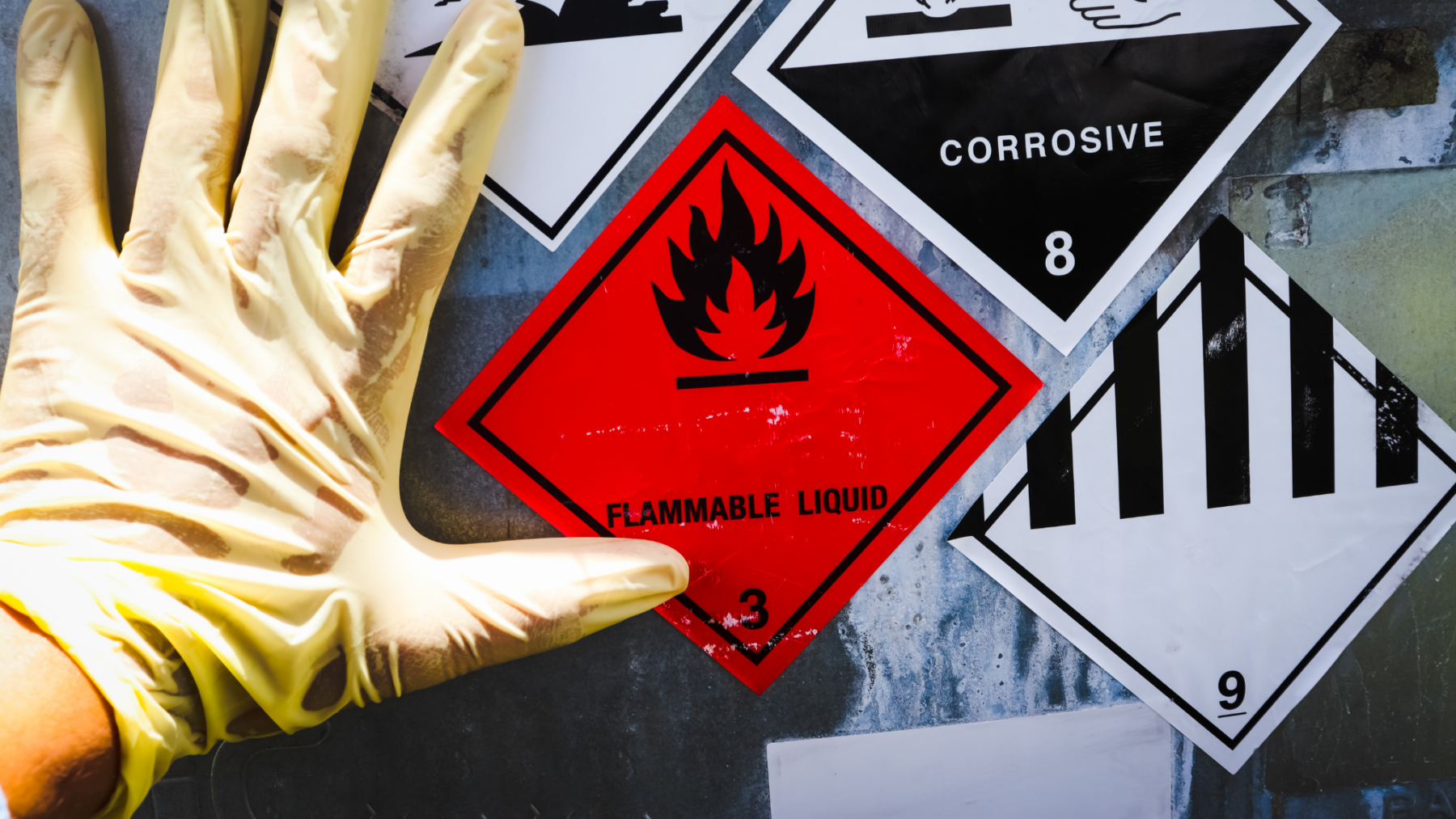
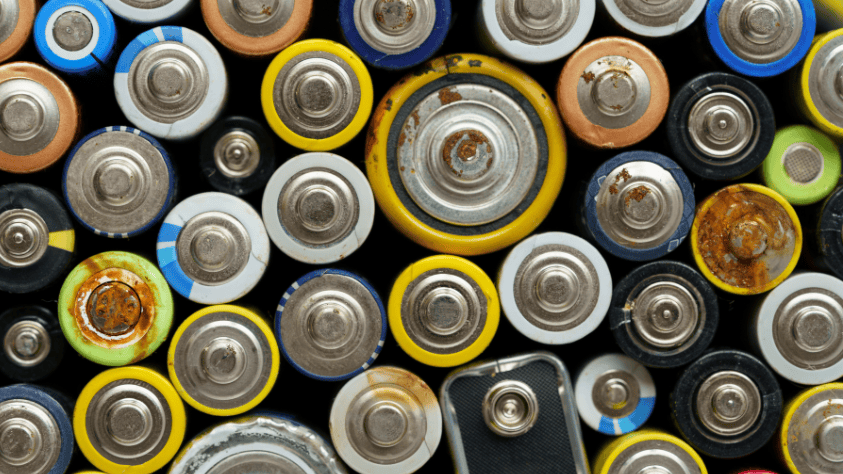
Once batteries, aerosols, solvents and other hazardous materials become waste, they can create serious risks if handled or disposed of incorrectly. Hazardous waste should be kept separate from general waste and managed through the appropriate waste stream.
At Everflow, we arrange commercial hazardous waste collection and disposal services for businesses across Britain, with flexible collections for different waste volumes and ongoing support.

What counts as hazardous waste?
Hazardous waste is broadly considered to be any waste that could be harmful to people or the environment. And it’s not just industrial chemicals – many businesses produce everyday items that may need to be managed as hazardous waste.
The most common forms of hazardous waste include:
- Batteries
- Vapes and e-cigarettes
- Aerosols
- Solvents and paints
- Oils and lubricants
- Cleaning chemicals
- Fluorescent tubes and lamps
Items such as general office waste, dry mixed recycling, food waste and packaging can, for the most part, be handled via standard commercial waste streams as per Simpler Recycling rules. However, hazardous waste needs to be correctly separated and stored to reduce safety, environmental and compliance risks.
Hazardous waste collection for your business
At Everflow, we keep utilities simple – and commercial hazardous waste disposal is no different.
Having worked with businesses of all sizes and industries, we know that each business comes with their own individual waste needs. Luckily, our service is completely flexible and customisable, as we help you put the correct containers for each waste type in place, support you through clear segregation procedures and offer a collection frequency that matches how quickly you generate hazardous waste.
So, while we take care of ensuring you have the right containers in place, collection schedule and safe disposal routes, your side of things is simpler. Keeping hazardous items separate from general waste streams, storing them safely and letting us know if your volume types change as your business grows.
Businesses have a legal duty of care to make sure their waste is managed correctly. In England, this includes using authorised businesses to collect, recycle or dispose of hazardous waste and keeping the appropriate records.
When hazardous waste is moved, it generally needs to be accompanied by a consignment note recording important information about the waste and its journey. We’ll support you with the documentation involved in your collections, helping to make compliance simpler.
At Everflow, we handle this documentation as part of our waste management services so you never have to worry about not being able to demonstrate compliance.
Hazardous waste streams we handle separately
Some hazardous waste types are different enough that they require their own handling service. This includes:
- Vape waste
- WEEE (Waste Electrical and Electronic Equipment) – this could be old IT equipment, appliances and electricals
- Clinical waste – for healthcare providers, dental practices, veterinary surgeries and similar businesses
If your business produces a mix of hazardous waste, all you have to do is let us know and we’ll coordinate collections to make sure you’re not juggling multiple suppliers.
What does hazardous waste disposal cost?
This is one of the most common questions we get. The answer is: it depends! The main cost drivers of hazardous waste disposal are:
- Type of waste – some materials require more specialist treatment than others
- Volume – the amount you’re producing will influence collection and disposal costs
- Collection schedule – whether you need regular or ad hoc collections
- Containers and storage – different waste streams may require different containers
- Location and access – where you’re based and how easily collections can be made
At Everflow, we don’t believe in a one-size-fits all approach. That’s why when working with us, we’ll ask you a few questions about your business and waste needs before giving you a bespoke quote.
How our hazardous waste service works
At Everflow, our hazardous waste management services are simple. Here’s how it works:
- Tell us what hazardous waste your business produces and roughly how much
- We will give you a quote and recommend the appropriate containers and collection frequency
- We will arrange collections at an agreed time
- Your hazardous waste will be transported for recycling or disposal with the right documentation handled throughout
As your business changes, our team at Everflow will be happy to work with you on flexible collections and changing waste volumes.
See what our customers have to say
We've been around since 2015, which means that over the years, we have worked with businesses of various sizes and industries, providing a bespoke service to each of them. We care deeply about what we do but don't just take our word for it. See what our customers have to say about working with us!

Get in touch with Everflow today
Hazardous waste carries legal responsibilities relating to storage, collection and disposal. If you’re thinking of switching to a supplier that can take care of your different waste streams all under one roof, now might be a great time to do so. Get in touch today to see how we can help.
Frequently asked questions
What is classified as hazardous waste?
Hazardous waste is any waste that could harm people or the environment, such as being toxic, flammable, corrosive, irritant or harmful to aquatic life. For most businesses, that means items such as batteries, vapes, aerosols, solvents, paints, oils, cleaning chemicals and fluorescent tubes and lamps.
How and where do I store hazardous waste before collection?
Businesses should keep hazardous waste in appropriate and clearly labelled containers. Ideally, the containers should be in secure, well-ventilated areas away from drains, heat sources and public access. Different types of hazardous waste will need different containers, so it’s worth getting in touch with our team at Everflow to know which container is suitable for your hazardous waste needs.
What is a consignment note and do I need one?
A consignment note is a legal document that tracks hazardous waste from your business premises to its final destination, recording what the waste is, how much there is, who collected it and where it’s going. Your business should keep consignment note records for at least three years.
Can hazardous waste be recycled?
Yes, a lot of it can. Batteries, fluorescent tubes, waste oils and many solvents can be treated so that valuable materials are recovered rather than sent to landfill.
What happens if hazardous waste is disposed of incorrectly?
Incorrect disposal, or mixing hazardous waste with general waste, could lead to fires, injuries to collection teams, pollution of land and water and harm to public health. For businesses, this also means enforcement action and costly fines.