
An introduction to the world of manholes
10th December 2025

Manholes are integral to the main infrastructure of modern civilisations. They provide access to a world beneath the streets where a complex drainage system prevents flooding and controls costs.
Manholes are crucial access points for engineers and play a key role in helping to maintain pipes and prevent and treat blockages that may cause flooding or other damage.
According to reports, water companies in England and Wales manage around 50,000-125,000 miles of private sewers, which indicates the vast scale of the underground infrastructure required to keep business wastewater moving and prevent flooding.
Read on to find out more about manholes and the essential role they play in modern civilisation for businesses.
Manholes have existed in various forms for thousands of years, with archaeological evidence demonstrating that even Roman cities built access shafts into their sewer systems. However, these systems were far removed from the drainage systems we have in place today; they were made of stone and purely functional.
The 19th century brought vast change in the form of the Industrial Revolution. This created the invention and construction of brick sewers and manhole chambers. By this time, engineers better understood the impact of physics and recognised the need for circular manhole chambers to withstand ground pressure more effectively. These designs were demonstrative of the modern designs we have today.
In addition, cast iron manhole covers were also pioneered for their strength and durability.
In the 20th and 21st century, the design of manhole covers evolved once again to move with the times. Time-consuming brick chambers were replaced with precast concrete chambers. These are much stronger and easier to construct, saving time and money and preventing excessive delays whilst they are installed.
Additionally, engineers began combining plastic and composite materials to create corrosion resistance and better installation processes. Finally, manhole covers began to be installed with locking covers to prevent misuse and promote safety. The design of manholes have evolved over time to promote better environmental practices and create systems that can be better managed and maintained over time. Policies implemented by the UK government such as design criteria for manhole spacing and placement ensure that standardised procedures are in place to promote effective maintenance of sewer and manhole systems.
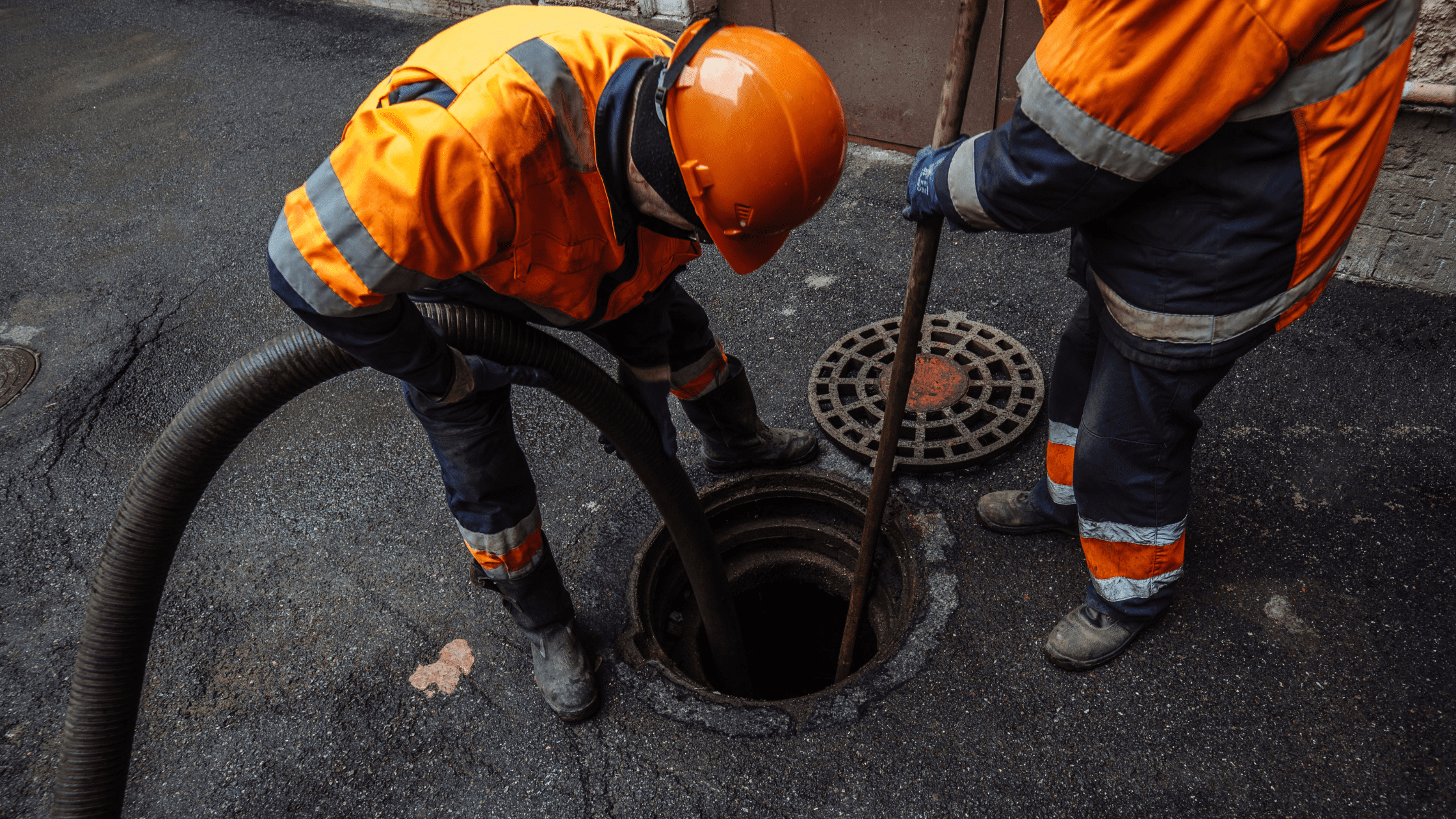
In England, manhole cover is generally split into two categories relating to ownership.
These are owned and maintained by the regional water wholesaler and are often on public streets. These can service multiple buildings and organisations and can also feature in residential areas.
Private drainage manholes are the responsibility of the property owner and occupier. These are usually found on private business sites in car parks, loading bays, courtyards, or inside larger factories and plant rooms.
Private manholes are usually located at a point before private drains connect to the main sewer. When they are poorly maintained, they can have a direct and indirect impact on business water prices. Blockages and leaks can lead to increased wastewater volumes or create emergency call out situations.
In order to maintain best practice for private sewers, businesses should execute regular inspections of their manholes, keep covers sealed and secure and monitor their water and wastewater usage to discover problems early.
If you’re looking for a simplified approach to business water bills to enable you to save money, time and water, Everflow is the water supplier for you.

At Everflow, our goal is to make your utilities simpler – we ensure you get great-value contracts that are tailored to your needs and easy to manage. Get a bespoke quote using the link below.