How are the UK and EU changing waste export regulations and why are they doing it?
15th December 2025

For years, exporting waste sat in an odd middle ground. If something was hard to process in the UK, it went elsewhere. That was the arrangement. It kept costs predictable and avoided awkward conversations about capacity that no one was keen to have. Most businesses didn’t think about it much beyond the invoice.
That calm has been wearing thin for a while now. Investigations, reporting and on-the-ground inspections have kept pointing to the same uncomfortable reality. A lot of material leaving the UK and the EU is not handled in the way it is described on paper.
Plastic marked as recyclable turns out to be mixed. Or contaminated. Or sent to places that simply do not have the systems to manage it safely once it arrives. Once waste crosses borders, control slips.
In 2023, the UK sent hundreds of thousands of tonnes of plastic waste overseas. Some of it to countries where enforcement becomes difficult the moment a shipment lands. That figure is often quoted, but what tends to matter more is what it represents. A system that worked by looking away.
Waste export sounds abstract, but in practice it is very ordinary stuff. Plastic packaging. Cardboard. Lower-grade paper. Mixed commercial waste that builds up quickly in busy organisations. It is the everyday material that fills bins without much thought.
What has changed is not the definition but the risk tolerance. Assurances used to carry weight. Now they don’t travel far. Evidence is being asked for, such as paper trails, proof of sorting and proof of outcomes. And even then, the mood has shifted toward keeping waste closer to where it is produced, even if that creates new problems.
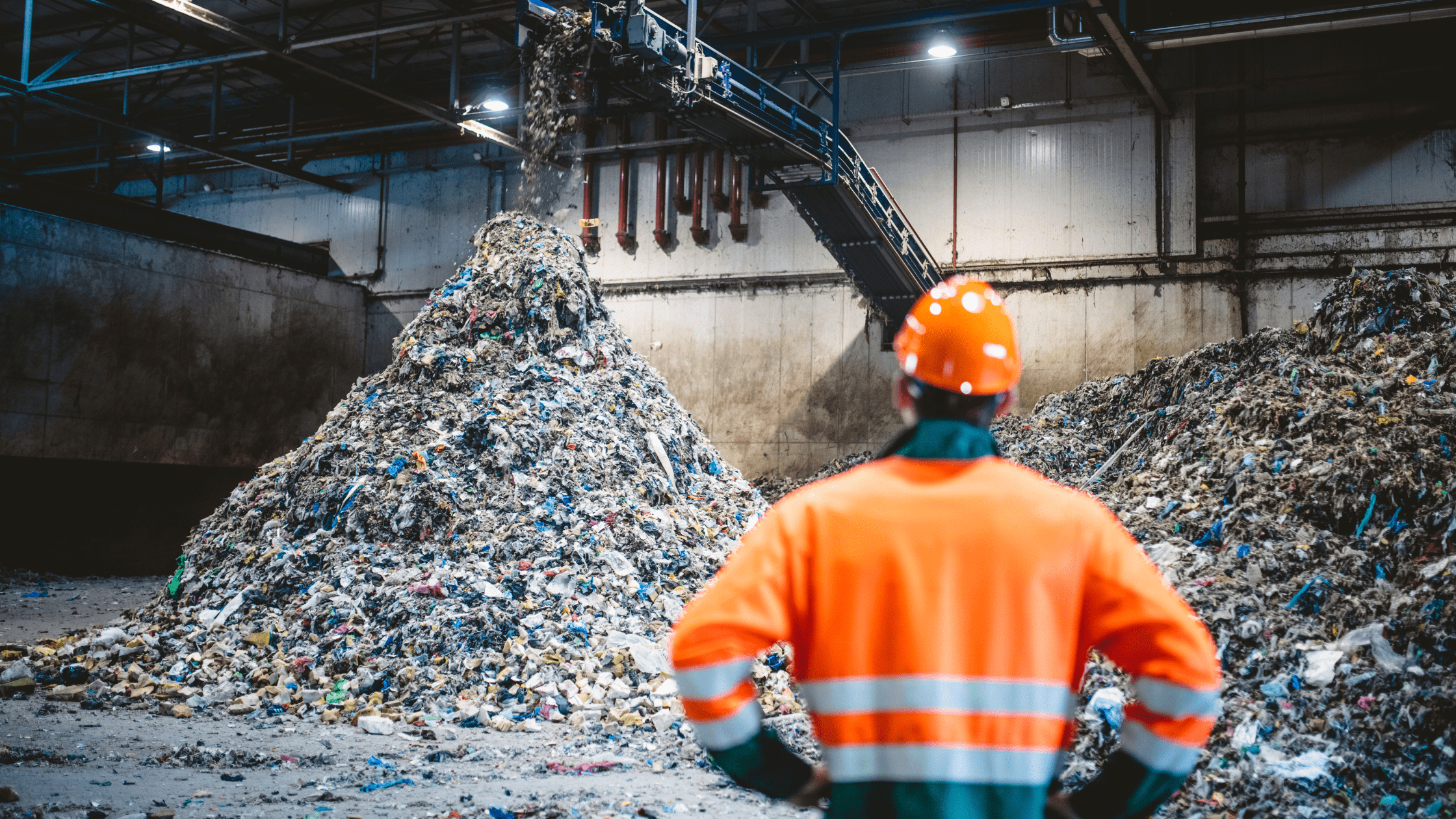
Across the EU, new waste shipment rules started to take effect in 2024, with more restrictions queued up behind them. But the direction itself is no longer subtle.
Plastics sit at the centre of it, particularly mixed and contaminated loads. Exports to non-OECD countries are facing tighter limits. Lower-quality paper and mixed commercial waste are also being pulled into scope more often than they used to be. Put simply, fewer materials are being waved through, and more are expected to stay put.
This is where things start to feel uncomfortable. The UK has leaned on exports for years. That reliance masked how little slack there is in domestic capacity. As export routes narrow, UK facilities are being asked to absorb volumes they were never built for.
Some are full. Others are close. Many are becoming stricter about what they will accept, not out of choice, but necessity. When space tightens, prices shift. Not overnight, and not evenly, but enough to unsettle assumptions that once felt solid.
For many organisations, the first impact shows up in cost. Waste streams that once moved cheaply abroad now need UK-based processing, often with higher gate fees attached. At the same time, loads are being rejected or reclassified more frequently. Materials that passed last year suddenly don’t.
Internally, teams are trying to adapt systems, contracts and training that were built for a very different landscape.
Exporting waste is no longer treated as a default. Regulation will keep shifting, sometimes unevenly, sometimes without much warning.
For many UK businesses, the safer ground is not guessing the next rule change but reducing dependence on fragile waste routes altogether. That takes time. And for a while, it tends to feel messier rather than cleaner. However, taking a responsible approach to commercial waste collection should always be the default setting for organisations – and this should begin with reaching out to waste management providers who can offer valuable advice and guidance.

At Everflow, our goal is to make your utilities simpler – we ensure you get great-value contracts that are tailored to your needs and easy to manage. Get a bespoke quote using the link below.