What’s the real impact of landfill in the UK
21st November 2025

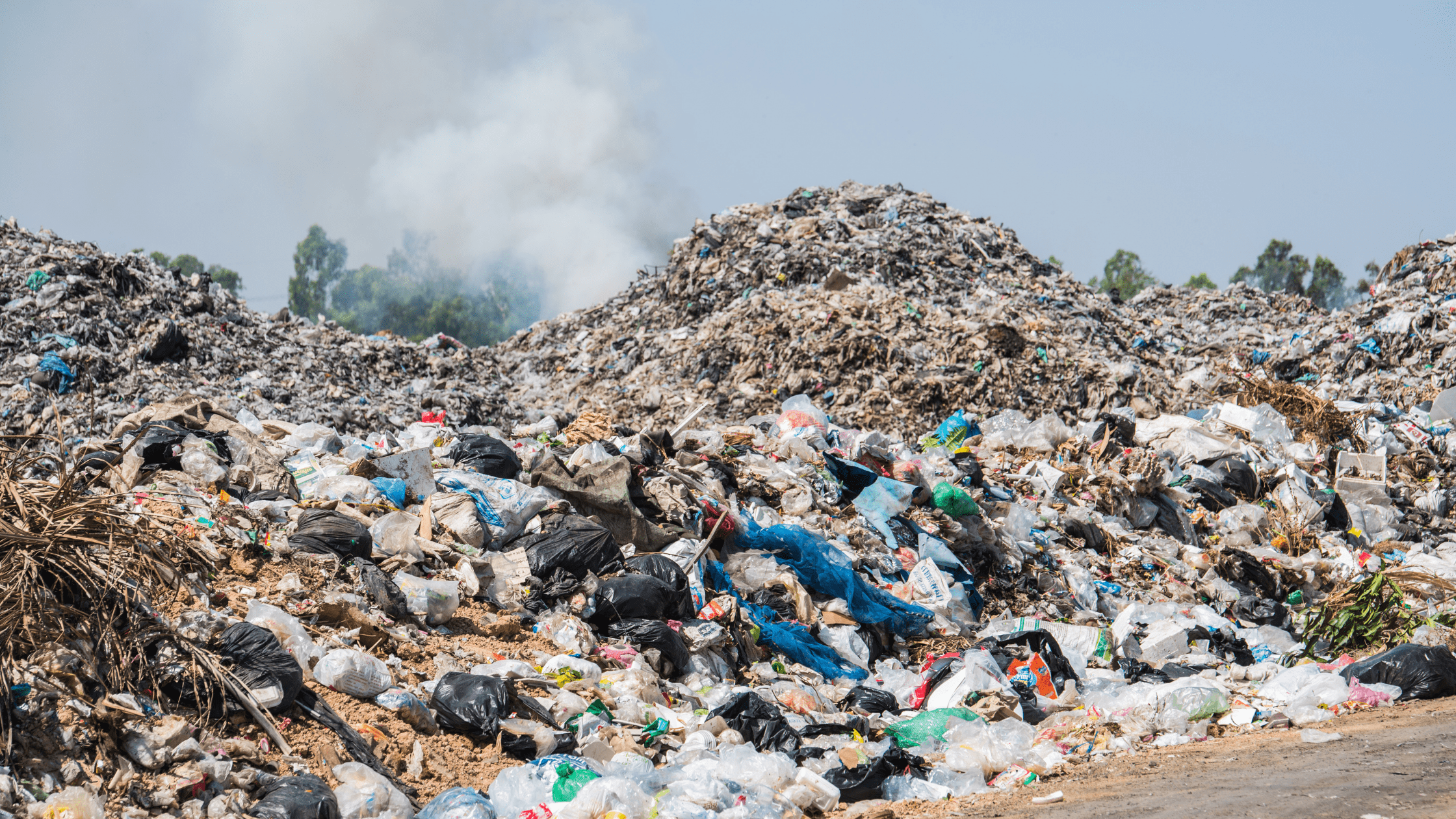
The UK produces a lot of waste, and that waste needs to go somewhere. Despite the best efforts of organisations and authorities around the country to reuse and recycle, a significant proportion of our rubbish – around 20%, in fact – still ends up in landfill.
Until we possess the ability to recycle everything, landfills are a necessary evil in our wasteful world. But how exactly to modern landfills work, and are they as bad for our health and the environment as they might appear?
Landfills have been used for waste disposal throughout history, but modern landfills are more sophisticated than the simple dumps of the past.
Once waste has been collected, it is then taken to be sorted, removing recyclables and hazardous materials. The rubbish that remains is then compacted and transported to a landfill.
Once it arrives, the rubbish is separated into ‘cells’, or sections lined with a protective barrier and covered with soil. Once full, the decomposing landfill cell is capped with a final cover, which can then be repurposed for wildlife habitats, parks, or solar farms.
The first and most relevant problem caused by landfills are the toxins produced by rotting rubbish, particularly the greenhouse gas methane and the liquid leachate. If not properly managed, these toxins can leak into the atmosphere and groundwater with devastating consequences.
Landfills also take up a lot of space, space which could otherwise by used to build housing, public spaces, or dedicated to the preservation of local wildlife.
Lastly, there is the public health risk landfills pose. If not captured, methane can migrate to nearby homes and leachate can seep into the groundwater. Landfills also tend to attract pests, such as rodents and scavenger birds, which themselves can negatively impact the health of the local community and devastate the local ecosystem.
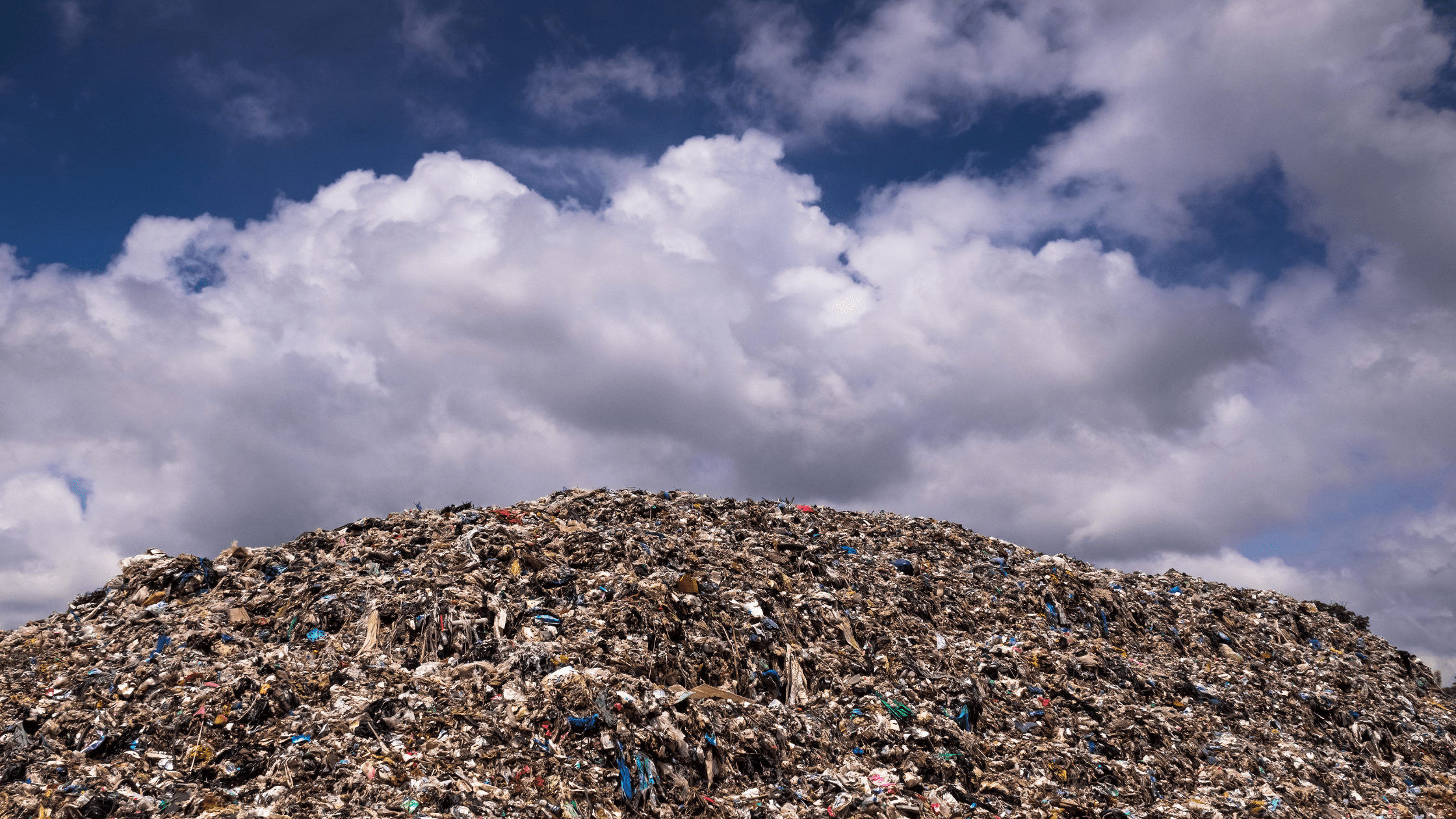
Landfills filled with rotting rubbish are not good for us or the planet, but the potential risks and dangers are mitigated by certain regulations and best practices enforced by the Environment Agency.
One of the most important tasks carried out by UK landfills is the capture of methane and leachate.
Through a base liner of clay layers, synthetic materials, and drainage pipes underneath the rubbish, leachate is prevented from leaking into the soil. It is collected and taken to a dedicated treatment facility before being released back into the environment free of contaminants.
Methane and carbon dioxide is also captured through a network of pipes and used to generate heat and electricity.
To save space, all waste is compacted before it enters a landfill, cutting down on air pockets. It is then covered at the end of each day with soil, which helps contain odours and deter pests. When it is full, a final cover consisting of several layers of clay and top soil is added to contain any remaining toxins and promote vegetation growth.
While all these measures serve to limit the negative environmental effect of landfills, there are steps all of us can take to further reduce their impact.
The first is to recycle and reuse as much waste as possible. This is by far the most effective way to reduce the amount of waste in our landfills, making them far more efficient.
The second is to ensure the waste that does go to landfills is the right waste. Landfills do not accept electrical waste, medical waste, construction or demolition waste, or garden waste. These can all be disposed of at dedicated centres or through special collection by your local council.
To dispose of business waste responsibly, in a way which does minimal damage to the environment, it is best to consult commercial waste collection experts – like our specialist team at Everflow.

At Everflow, our goal is to make your utilities simpler – we ensure you get great-value contracts that are tailored to your needs and easy to manage. Get a bespoke quote using the link below.


