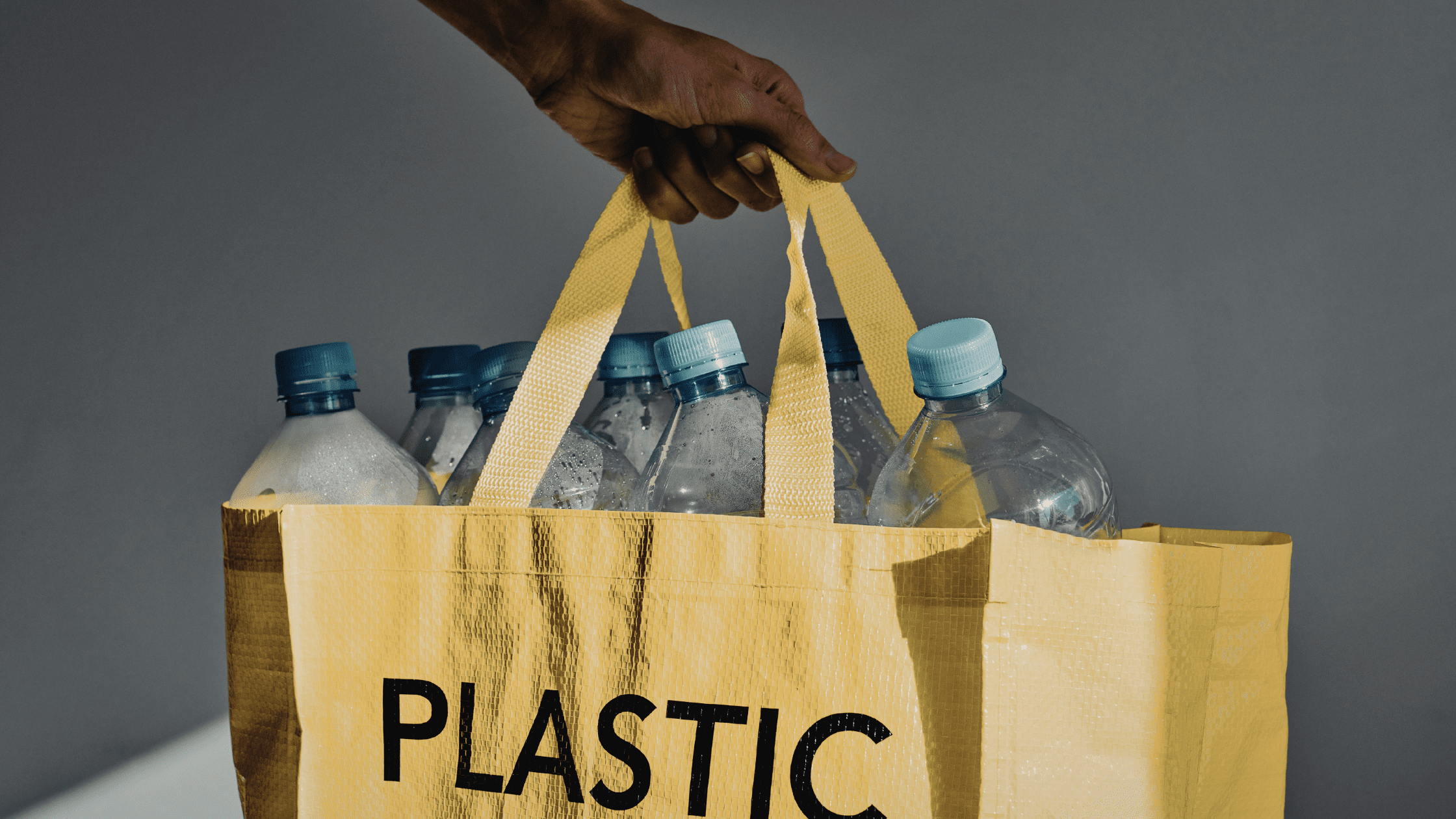
What is enzyme-based plastic degradation and can it help to reduce plastic waste?
6th May 2026

There’s a new buzzword in the plastic recycling world – enzyme-based plastic degradation. But what is it and can it really help?
Most of us are aware that plastic waste is one of the most pressing environmental issues of our time. With the rise in global consumption, the pressure on better waste management services is also increasing. While recycling and reuse are great practices (and very much encouraged), we live in a time when new scientific methods are coming up to support these sustainability initiatives.
Enzyme-based plastic degradation might just be one of the most exciting and promising innovations in this field.
Using enzymes to degrade plastics means employing them from nature or using modified ones to degrade plastics to simpler compounds. Enzymes are actually proteins that speed up chemical reactions without being changed by the reaction.
In the context of plastic, some enzymes have the potential to recognise and attack the synthetic polymer chains (this is the very material that gives plastics their strength and makes them resistant to the environment). By binding with these synthetic polymers, enzymes induce decomposition of plastic materials into smaller molecular size, which may be recycled and reused, or disposed of biologically.
Needless to say, this is a new recycling method that uses enzymes to break down plastics into reusable products, which presents a more natural opportunity to manage the problem of plastic waste other than by mechanical recycling.
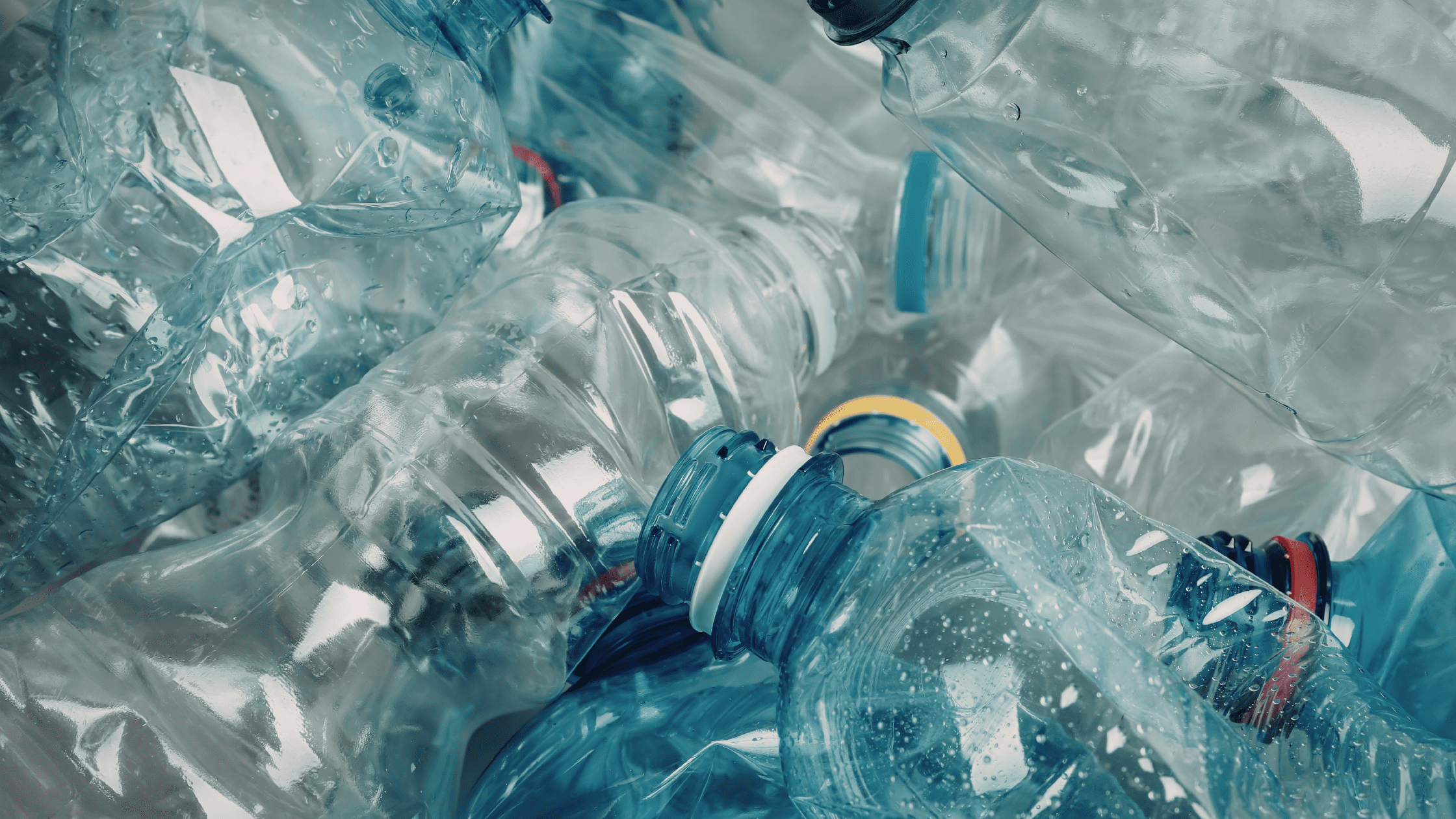
Enzyme-based plastic degradation is a very promising commercial waste management technique due to the fact that it has the potential to help tackle the vast quantities of plastics currently being committed to landfill.
Enzyme-based plastic degradation also needs less energy in comparison to standard recycling operations. According to the National Laboratory of the Rockies, the enzymatic recycling process can reduce supply-chain energy use by 69%-83% and greenhouse gas emissions by 17%-43%, in comparison to conventional fossil-based production routes.
While enzyme-based plastic degradation is a fascinating process, it still is an evolving concept. One of its limitations is scalability. Enzymes that work well in the laboratory setting might need significant changes for their use at a large scale.
Besides that, enzymatic breakdown does not work evenly across the board for all plastics. In fact, most of the plastics that we use regularly are very hard to break down, so further development is a must to ensure enzymes can target a broader range of plastics.
Enzyme-driven breakdown of plastic is very promising as one of the ways to tackle the plastic pollution problem. However, relying on it alone is not practical as the process still has some limitations to work on a larger scale.
In the meantime, focusing on reducing plastic consumption is critical to limiting its use and ensuring responsible waste management services are in place, is key in dealing with this environmental issue.
Nevertheless, enzymatic breakdown combines well with plastics that are hard to recycle using traditional methods and with further funding and research, it will lead to better and greener ways of dealing with plastic waste.

At Everflow, our goal is to make your utilities simpler – we ensure you get great-value contracts that are tailored to your needs and easy to manage. Get a bespoke quote using the link below.


