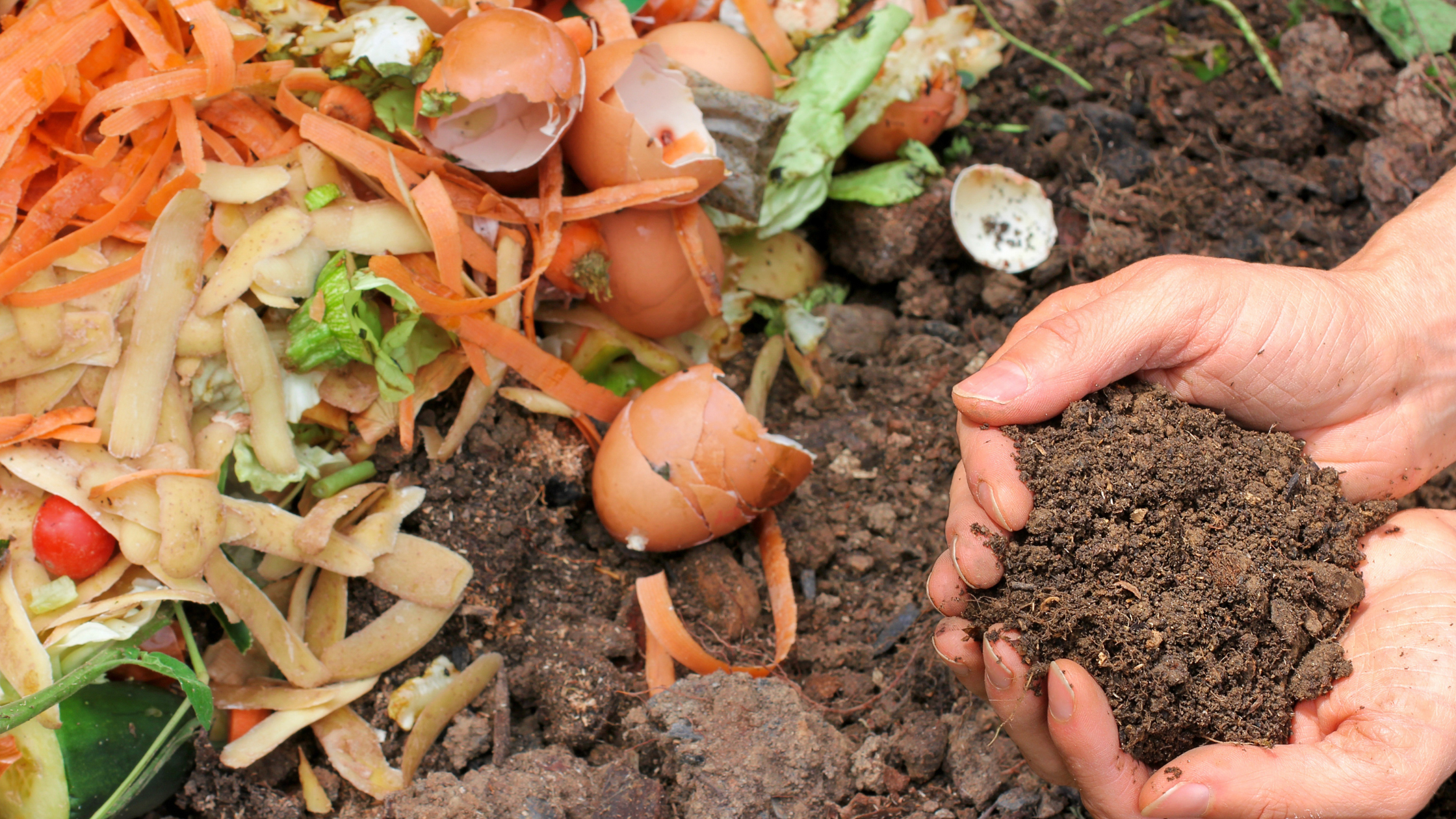
5 composting tips for conscientious businesses
27th May 2026

Ready to go greener? Here are 5 practical composting tips to help businesses cut contributions to landfill and boost sustainability.
Sustainability has become a buzzword in recent years – but for a good reason. With carbon emissions still on the rise (although the growth has slowed in the recent years), many businesses in the UK are ramping up their efforts to protect the planet and show greater environmental responsibility. In fact, recent studies have shown that 90% of business leaders are working on improving their sustainability goals in the next three years.
As part of that mission, composting is emerging as a simple way to reduce waste in the business community – a simple change that saves costs, reduces landfill contributions and helps us move towards a greener future.
In order to help set realistic composting goals, the first thing to mark on the to-do list is conducting a waste audit. This allows an organisation to understand the many different waste streams that need to be managed within a waste management strategy. Through this process, a business can identify compostable waste such as food waste and coffee grounds by type and volume. Having this information before starting your business composting journey allows for data-driven decisions, and, naturally, helps you to avoid over/under-investing.
The key to successful composting within a business is clear segregation. If compost streams are contaminated, this can lead to increased food waste collection costs and even fines. The best way to avoid this is to have labelled bins within the building – in kitchens, break rooms and food preparation areas. Remember that clearly labelled bins make it much easier to separate waste correctly.
Composting should be a collective effort, so don’t forget to train your staff and highlight the importance of the practice. When the message gets forgotten, that’s when motivation goes down. An easy way to remind employees about the right composting practices is to add signage near the labelled bins or, even better, assign someone on the team to be a sustainability champion.
Composting is an ongoing effort, so it’s important to monitor volumes of composted waste, use that data to refine the process and demonstrate continuous sustainability progress. Having this improvement mindset can inspire change in other businesses too, so don’t be shy about sharing your sustainability achievements – celebrate them!
The truth is, not all commercial waste management companies provide composting or food waste collection, so make sure to do proper research before partnering with one. Luckily, at Everflow, we provide compliant, no-fuss food waste collection services that involve composting or digesting organic waste.
Composting does not have to be complicated and, in all honesty, it isn’t as long as you follow these 5 practical composting tips for businesses. In fact, it’s a great way to be more environmentally responsible.
A greener future depends on collective effort as well as the right systems and support in place. At Everflow, we take offsetting carbon emissions, related to collection and disposal of your waste, seriously, so you can count on us to work with suppliers that are just as serious about reducing Scope 3 emissions as we are.
Need a waste audit to start your composting journey? Get in touch with us today.

At Everflow, our goal is to make your utilities simpler – we ensure you get great-value contracts that are tailored to your needs and easy to manage. Get a bespoke quote using the link below.


