What is porous carbon and how can it help preserve water?
24th May 2026

In this blog, we’re diving deep into finding out what porous carbon is and how it can help to clean up our water supply by removing pollutants and contaminants.
Many of us will be aware that water scarcity is a serious concern in the UK. With this, comes a great responsibility to be mindful of water usage and a call for more innovative water efficiency solutions.
Lately, there have been two words causing a buzz in the water preservation world – porous carbon. But what is it exactly and how can it help us as we move towards a more water efficient future? Let’s take a look.
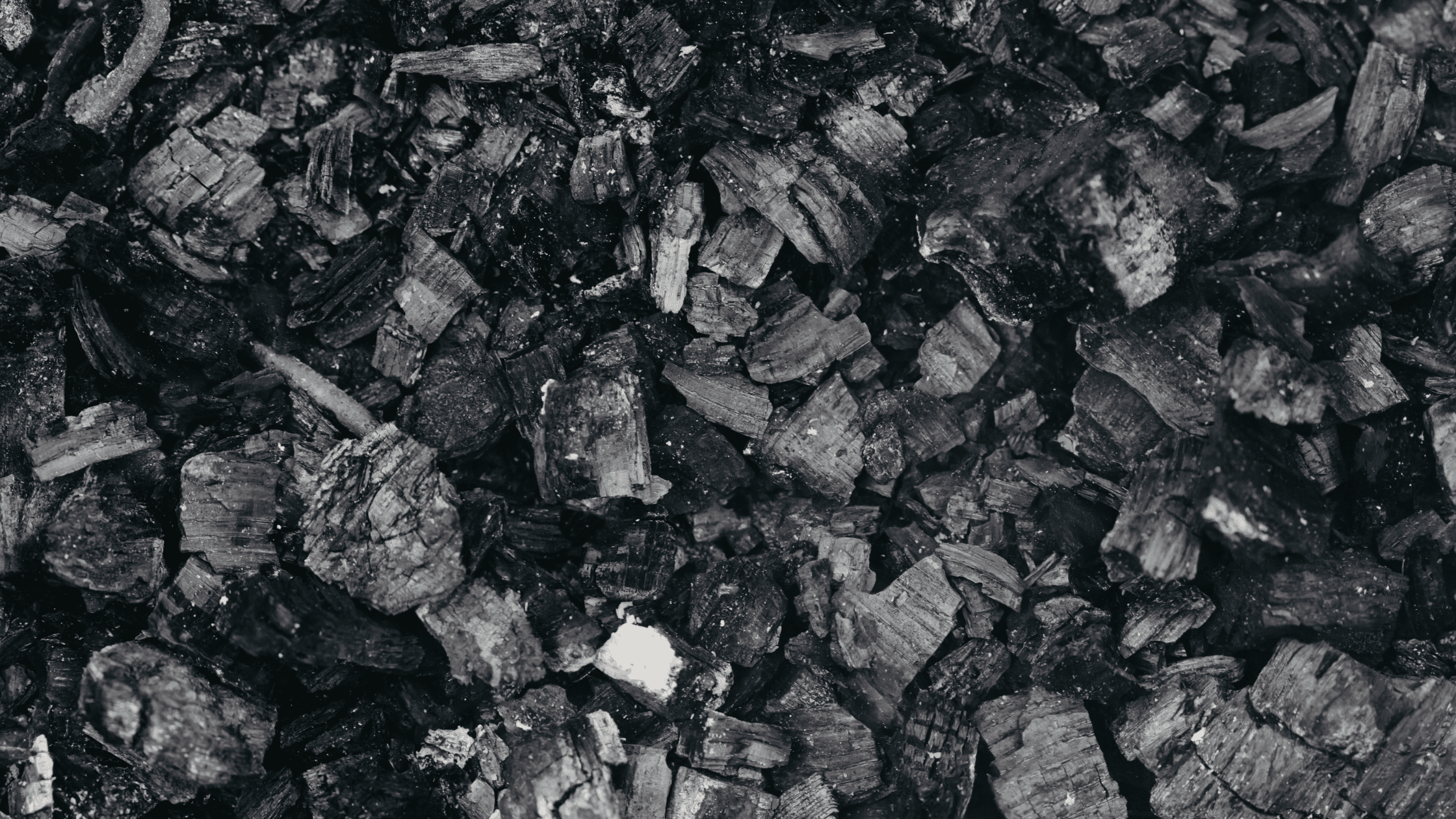
Porous carbon is essentially carbon material that possesses porous structures of various sizes. This structure increases its surface area, making it suitable for interaction with other substances.
It’s made through a two-step process. The first step is carbonisation, which is essentially taking organic materials, such as coconut shells, bamboo or coal, and heating them at high temperatures to vapourise oxygen, hydrogen and nitrogen. The second step is activation to create the sponge-like porosity and a surface area. This includes exposing the carbonised material to oxidising gasses such as steam, air or carbon dioxide at high temperatures, so that carbon atoms can react and open up a vast network of pores.
This porosity is what allows for trapping, filtering and absorption of substances.
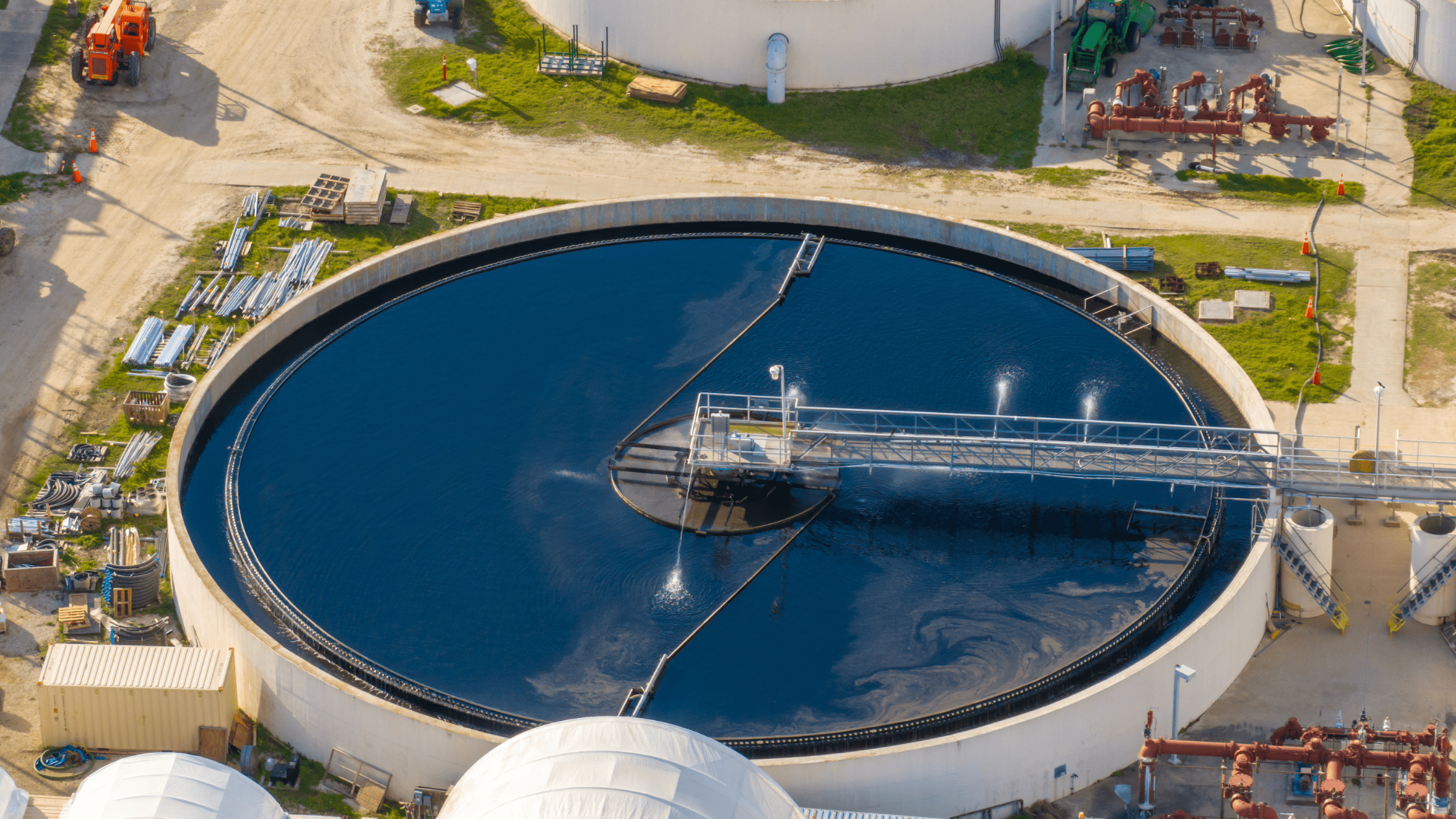
Porous carbon removes contaminants from water by an absorption process. During this, substances attach themselves to the porous surface as water flows past it. Because of its large surface area, porous carbon traps chemicals, pollutants and microscopic particles more efficiently than other water filtration systems, resulting in the ability to filter larger volumes of water by using less energy.
Porous carbon is commonly used in drinking water systems, industrial processes (such as chemical manufacturing), wastewater treatment and in environments such as aquariums and pools.
Porous carbon is an efficient and sustainable way to treat water. It acts as a filter to effectively absorb impurities and contaminants in the water system without losing a sizeable volume of it in the purification and treatment process. This cleaner filtration system also allows for water to be used and recycled safely, which is incredibly important in tackling water scarcity.
In addition to preventing water loss during the purification and treatment process, porous carbon is also an inexpensive way to treat water. It also supports the UK’s strategy for water conservation, aiming to reduce waste and protect the environment. Using it on a larger scare, such as within industrial processes, can be a useful tool in helping communities around the world preserve water.
In today’s climate, as more businesses are facing pressures in becoming more sustainable, water efficiency should be on everyone’s minds. Innovations around water conservation, such as the use of porous carbon, are an effective way to tackle water scarcity, lower operational costs and contribute to a wider sustainability agenda.
At Everflow, putting sustainability first is second nature to us. Practices that help to lower business water prices while aligning with the goal of providing more efficient and sustainable utility services are always a win-win.
Since issues like water scarcity and environmental pressures are continuing to grow, solutions like this will become increasingly important. They’re paving the way to a brighter, more water-efficient tomorrow.

At Everflow, our goal is to make your utilities simpler – we ensure you get great-value contracts that are tailored to your needs and easy to manage. Get a bespoke quote using the link below.


