How emerging waste sorting technologies could transform hospitality waste operations
30th May 2026

Hospitality waste sorting tech is steadily improving cost efficiency and helping businesses become more sustainable and responsible. Here’s how.
If you’re in a hospitality business, you will know that the industry is facing growing pressures to become both more sustainable and more cost-effective – particularly in light of rising energy costs and broader business overheads. While it might sound like a difficult situation to navigate, there are some wins that can be achieved through strategic improvements and the adoption of emerging technologies.
In the UK, hospitality businesses contribute to around 1.1 million tonnes of waste annually. This waste comes from preparation, spoilage and customer leftovers, making up packaging and other recyclable materials. With volumes at this level, it’s becoming increasingly difficult for cafes, restaurants and other hospitality companies to manage different waste streams. If contamination occurs, this can prevent correct recycling and, consequently, lead to higher landfill taxes, adding to the already spiralling overheads facing businesses.
While recently introduced digital waste tracking makes the waste tracking process more transparent and data-led, the same technology is necessary in regards to accurate waste sorting.
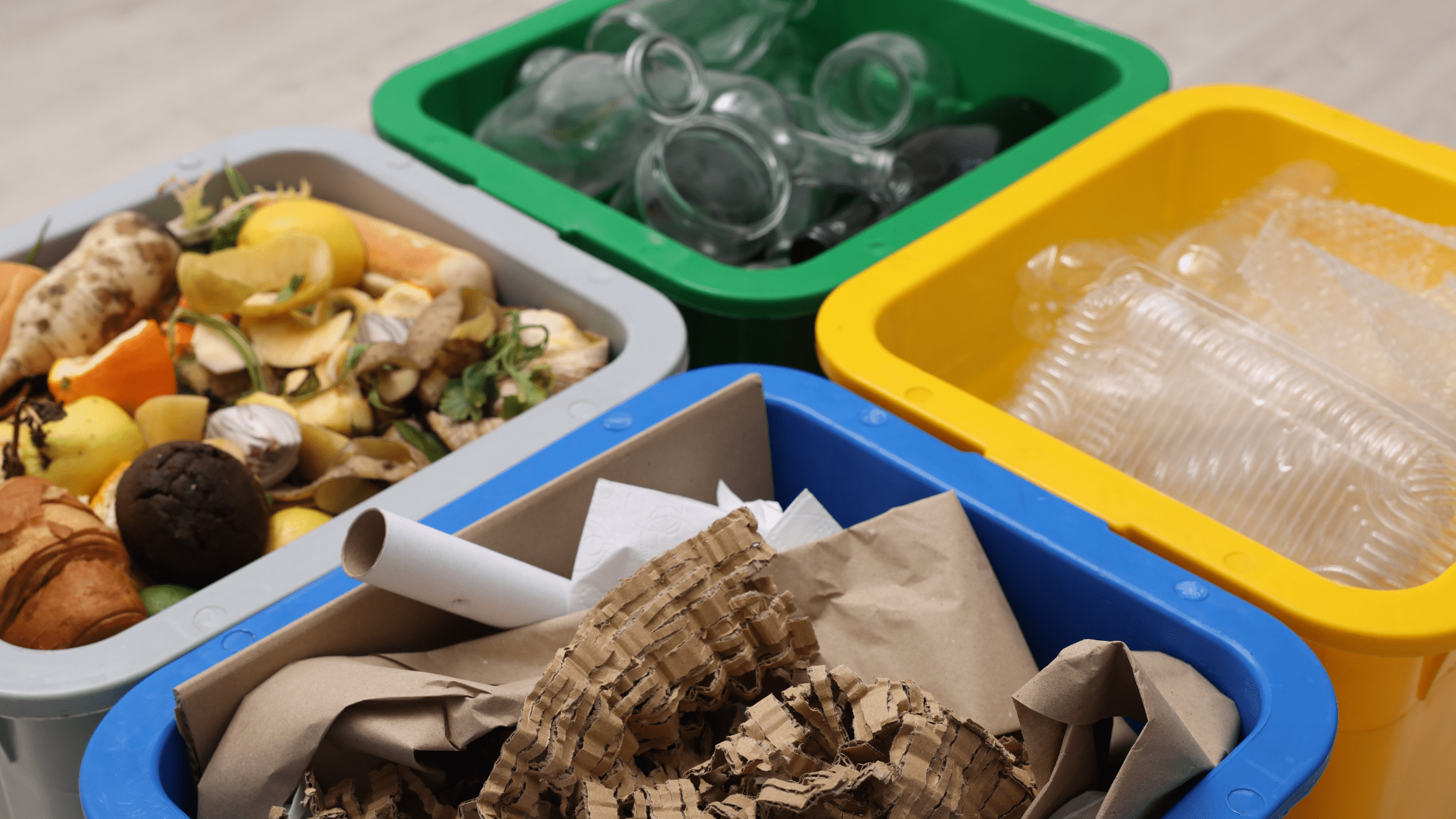
Intelligent waste sorting typically combines AI, sensors and automation to improve the speed, accuracy and efficiency of waste separation. Hotels around the world are beginning to use systems such as smart bins with sensors, automated waste collection systems and digital platforms to track and analyse waste disposal patterns.
These systems can detect and identify materials like plastics, paper, metals and food waste more effectively to reduce contamination and increase recycling rates.
While the initial outlay on IoT sensors, smart bins and other waste technologies may seem high, organisations should factor in savings that can be made to disposal costs and improved sustainability performance that comes with this digital adoption.
For example, in some hospitality settings bins and collection points now measure waste volume in real time, making it possible to only schedule pick-ups when necessary. Data dashboards work together with these sensors to provide business owners with information to track and measure waste streams and ensure that sustainability goals are met.
Innovative hospitality waste sorting tech is showing great potential as it contributes to efficiency, cost-savings and sustainability. AI waste sorting systems are proving more accurate all the time, resulting in less contamination, while tracking systems, such as data dashboards, are working incredibly well in hospitality sectors to tackle food waste too.
Research shows that when installed in restaurants and hotels around Europe, there was a 23% to 51% reduction in total food waste. Having this data can also impact other elements of hospitality businesses, such as menu planning and purchasing decisions. This makes waste no longer just an operational cost but a measurable performance indicator that contributes to sustainability efforts as well as better food and waste management.
With new technology emerging, it can be intimidating to start integrating them into business operations. However, it all starts with a clear understanding of current waste streams and volumes. A commercial waste management company can help you by conducting a waste audit. This will allow hospitality businesses to identify inefficiencies, contamination points and discover room for improvement. From there, commercial waste management companies can determine whether smart waste sorting tech is viable for their business.
Needless to say, training procedures should also be in place to help ensure that employees are aware of changes. Most importantly, working closely with your food waste collection company will ensure easier implementation and technical support.
In today’s world, one thing is certain: choosing the right commercial waste management provider that understands the changing market is crucial for remaining competitive and ensuring sustainability compliance.

At Everflow, our goal is to make your utilities simpler – we ensure you get great-value contracts that are tailored to your needs and easy to manage. Get a bespoke quote using the link below.