5 things you didn’t know about commercial glass recycling
16th July 2026

Is colour separation still a requirement? Does glass lose quality after recycling? Let’s take a look at 5 things you may not know about commercial glass recycling.
Glass is one of the most widely used materials on the planet – which is great news considering the 100% recyclability of this versatile product. Yet, many may be shocked to hear that the recycling rates of glass sit well below the 100% mark. According to figures from the National Packaging Waste Database (NPWD), the latest achieved glass recycling rate was 80.4%. That means that 1 in every 5 glass product is still making its way into landfill – or worse, thrown as litter.
Organisations in the UK produce more glass waste than they realise, with the hospitality and food sector producing the most. However, recycling glass and getting that recycling rate as high as possible is much easier once we understand the impact and opportunities in commercial waste management.
Let’s look at 5 things you may not know about commercial glass recycling.
There are several different glass types, and not all of these glass types are recyclable. In fact, the list for non-recyclable glass is much longer.
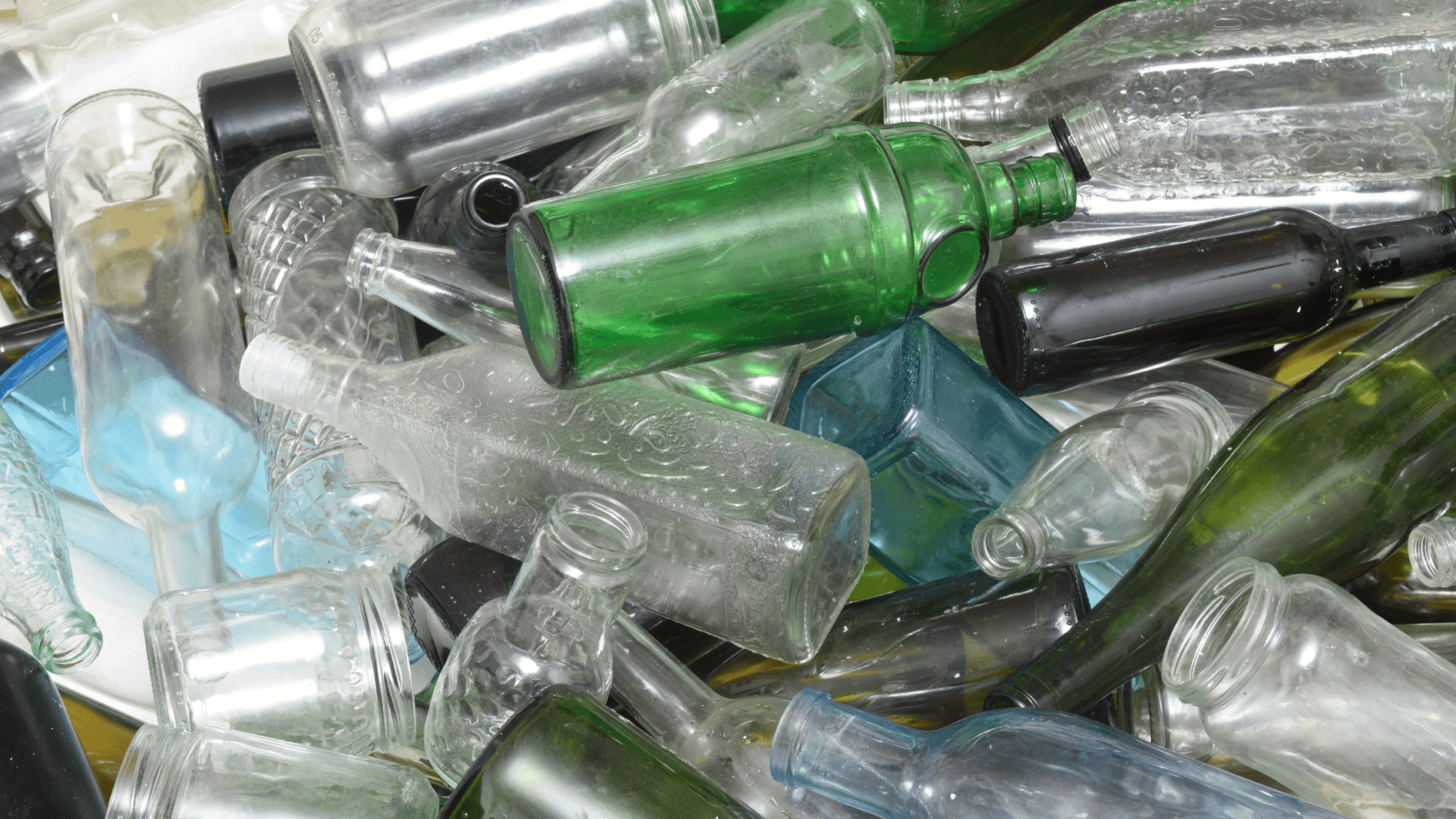
Bottles and jars of any colour, cosmetic containers and pharmaceutical vials for example can be recycled. However, items that cannot be recycled as part of your general dry waste include:
These types of non-recyclable glass are often contaminated with different materials and other glass types, and need specific treatment as a result. This means they can’t always be included in your commercial glass collection.
Mixing glass colours may also result in contamination that makes commercial glass recycling unfeasible. While less common and generally not a requirement, you may be asked to separate your commercial glass collection by colour to aid the recycling process.
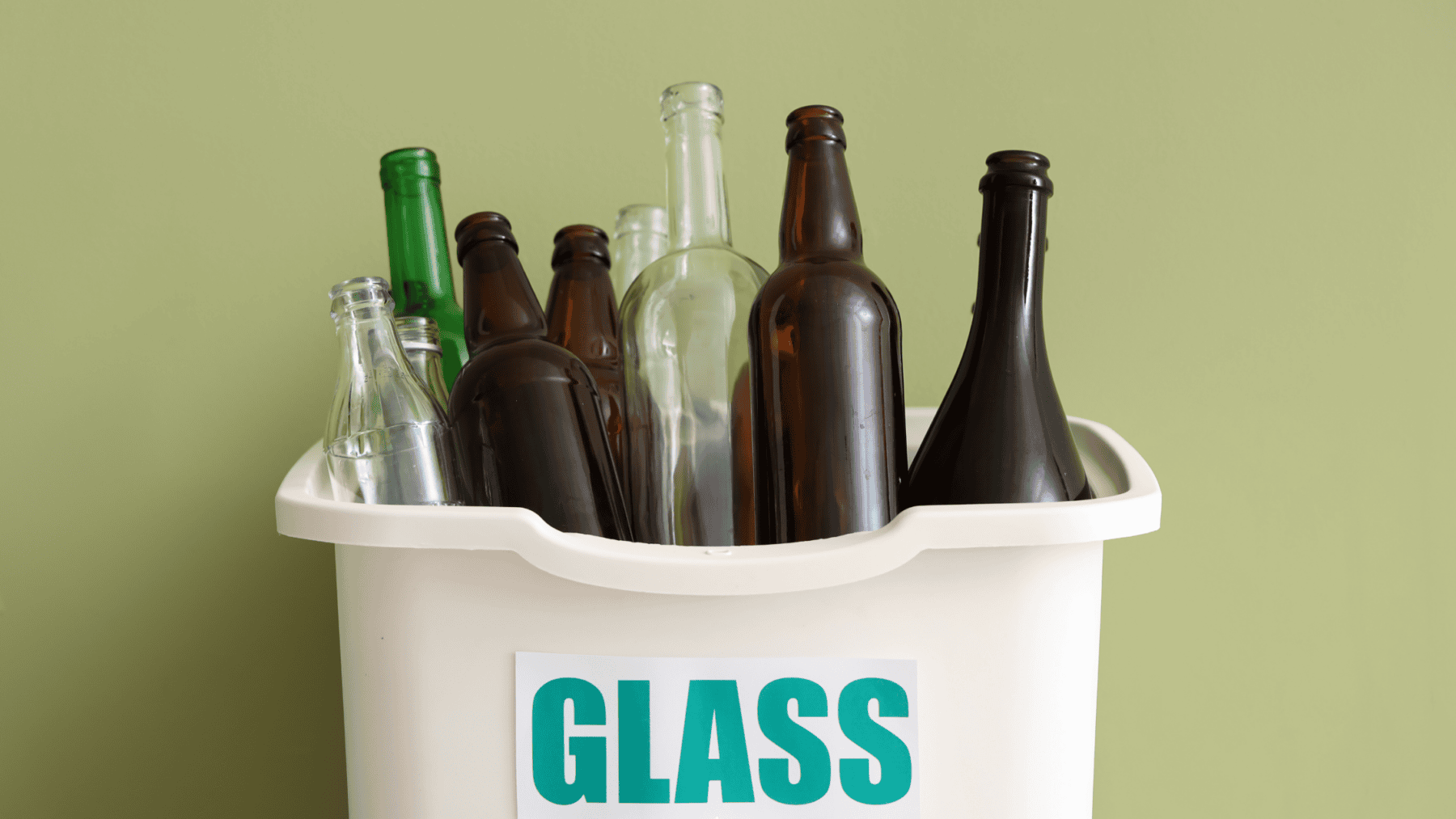
Commercial waste management companies may be less fussy about colour separation in your commercial glass collection but mixing it with general waste is a big no-no that could leave you out of pocket. Separating glass into its own dedicated container can reduce annual waste management fees significantly.
Unlike many other materials, glass can be recycled indefinitely without losing its purity or strength. This is made possible by the melting and reforming processes used during commercial glass recycling, which simply returns the glass to its original molten state rather than breaking down the underlying material.
Purity however depends on good sorting and minimal contamination, with the same purity, strength and performance only able to be achieved using virgin raw materials.
For those processing large volumes of glass as part of their commercial waste management plan, investing in some additional equipment can make all the difference. An on-site crusher for instance can reduce the volume of your commercial glass collection by up to 80%. Glass is crushed to cullet and fully recycle-ready, with minimal storage required in the meantime, making it perfect for those in the hospitality sector.
Here at Everflow, commercial glass recycling is one of our most popular waste solutions. We work with businesses of all sizes and waste volumes, keeping commercial glass collections flexible to cater to your unique requirements.
We understand your waste needs and can advise on contamination and proper glass segregation. By helping you to fine tune your commercial waste management strategy, we can not only improve your commercial glass recycling rate but also help you reduce costs and contribute to a more circular economy that contributes towards your sustainability targets.
Commercial waste management is made easier when partnering with the right commercial glass recycling service. Get in touch with us today to find out more.

At Everflow, our goal is to make your utilities simpler – we ensure you get great-value contracts that are tailored to your needs and easy to manage. Get a bespoke quote using the link below.