Understanding Legionella water hygiene responsibilities in the UK
10th September 2026

Under the Health and Safety at Work Act 1974 regulations, every business in the UK has a responsibility to ensure that their premises does not present a Legionella risk. But to manage it, it’s important to understand what it is.
Legionella is a type of bacteria that grows in water systems under the right conditions. Exposure can cause Legionnaires’ disease, a potentially serious form of pneumonia, which means businesses need to assess the risks associated with their water systems and put appropriate controls in place.
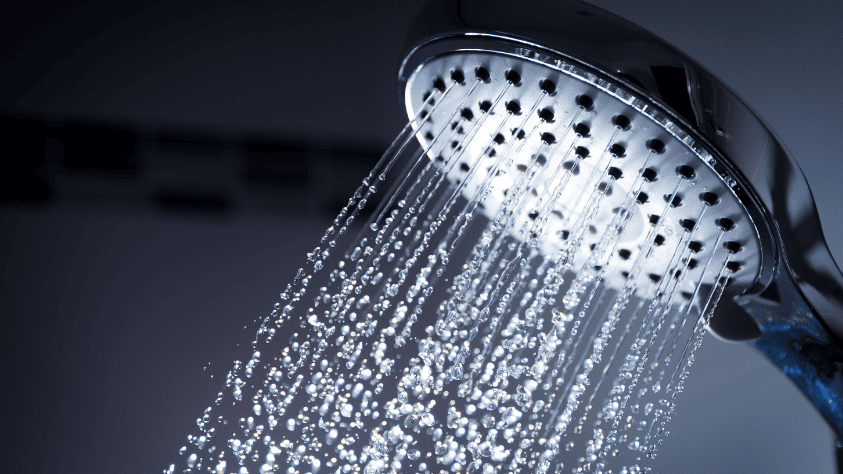
The UK government’s Health and Safety guide from the Health and Safety Executive (HSE) suggests that Legionella can multiply in water temperatures between 20°C and 45°C, when water is stored or recirculated and when rust, sludge, scale, organic matter and biofilms are present to encourage bacteria to spread. The risk rises even further when water droplets form and spread from hot and cold water systems, showers, spa pools, humidifiers and cooling towers among others.
The responsibility of managing the Legionella risk sits with the employer or person in control of a premises.
Where risks have been identified, a competent person should be appointed to help manage the controls. This person can be an employee, a contractor or someone external, however it’s important to ensure that they have sufficient authority, competence, skills, knowledge and experience of the water systems.
The first step that businesses should take in order to manage any Legionella risk is to carry out a risk assessment. This should cover the water systems themselves, potential sources of risk, who’s responsible for managing them and any controls already in place.
Once the risks have been identified, the next step is to set out a plan on how to prevent or control them. In hot and cold water systems, temperature is an important control measure – as is preventing stagnation and keeping systems as clean as possible.
If your business has five or more employees, you must record your findings and the steps you’ve taken to prevent the risk from spreading. Your records should include who is responsible for checks, your control plan as well as the dates and results of any checks. The records should be kept for at least five years.
The Legionella assessment should also include a plan to review the water systems and risks regularly. A professional risk assessment should take place every two years for most UK businesses.
Good Legionella management starts with understanding your building’s water systems and identifying where water could stagnate or create exposure risks.
Redundant pipework where water can sit should be addressed, while appropriate water temperatures need to be maintained. HSE guidance uses 60°C for hot-water storage, with hot water reaching at least 50°C at outlets within one minute, while cold water should generally be kept below 20°C.
Cleaning and descaling showerheads and other outlets can also form part of an effective control regime, depending on the system and the risks identified.
The basis for good hygiene lies in knowing your system, understanding the risks and taking steps to make sure the right controls continue to work.
At Everflow, we work hard to help businesses take control of all aspects of their water supply – from understanding usage to identifying opportunities to improve efficiency to making a business water switch.

At Everflow, our goal is to make your utilities simpler – we ensure you get great-value contracts that are tailored to your needs and easy to manage. Get a bespoke quote using the link below.