Turning rain into ROI: how rainwater harvesting can benefit businesses
14th October 2025

Water is no longer the forgotten utility. In recent years, businesses around the UK have placed significantly more emphasis on conserving water – both to help minimise their overheads and to improve their environmental credentials.
A combination of rising tariffs, tightening regulations and increasing climate volatility have thrust water resilience to the top of corporate risk registers. Small businesses, too, are identifying the need to play a role in the responsible use of water as a valuable resource.
While water from the mains will always be a key consideration, organisations of all shapes and sizes are turning their attention to other sources of water – whether it’s for irrigation in agriculture or cooling in heavy industry.
Rainwater harvesting (RWH) offers a direct, cost-effective way for businesses to reduce reliance on mains water consumption, strengthen sustainability credentials, and protect operations from supply disruptions . . . all while showcasing tangible environmental action.
Let’s explore the specific advantages of rainwater harvesting and how this can help companies in some of the industries that typically top the water consumption tables.
First and foremost, harvesting rainwater can help to reduce potable-water bills dramatically. Depending on the infrastructure installed to collect water and the local rainfall patterns, it is possible for organisations to reduce water bills by between 30–60%.
For businesses working in industries that are dependent on a consistent and reliable water supply, storing water can also play a critical role in improving resilience, by creating buffer that can be drawn on through supply interruptions or even hosepipe bans.
Harvesting rainwater also helps businesses to reduce their environmental footprint – cutting demand on local aquifers and treatment works. By reducing the amount of water that needs to be processed at treatment works, organisations can help to lower their Scope 3 carbon emissions and demonstrate a proactive approach to resource stewardship.
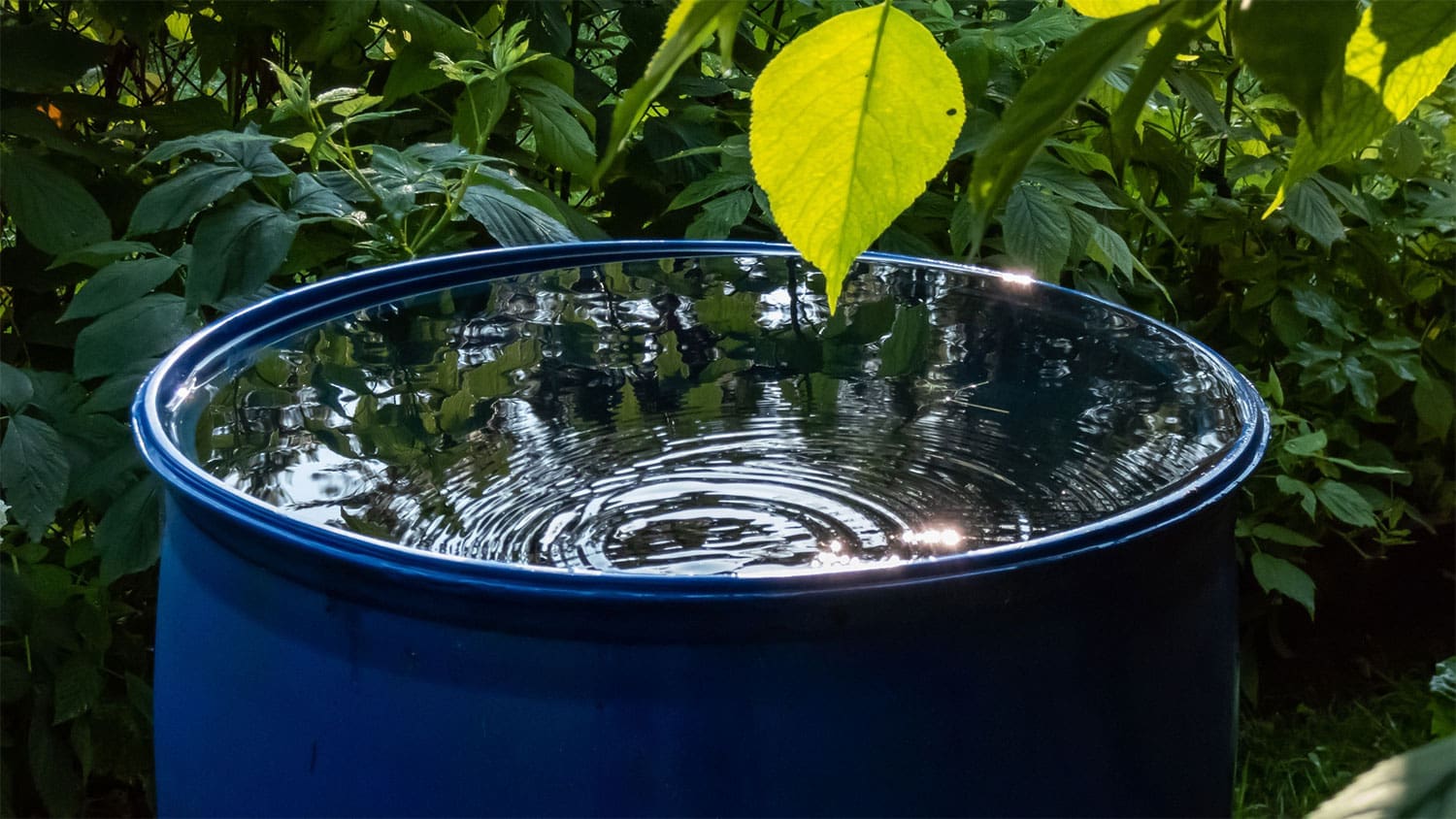
Farming is well known for being a water intensive industry, experiencing high seasonal demand for irrigation and wash-down. Harvesting rainwater through the rainy months can help to supplement a substantial portion of the summer irrigation needs, as well as reducing the need for abstraction licenses during dry periods of the year.
Intensive rinse and cooling cycles are often at the core of food and drink manufacturing. For these applications, treated rainwater can be ideal for non-contact uses, reducing the cost and environmental impact of heavy mains consumption.
Large volumes of water are needed for running hospitality and leisure venues. Whether it’s for laundry, landscaping, cleaning or even the maintenance of swimming pools, water is an essential utility that enables businesses to maintain services and standards.
Harvested water can be used intelligently in areas such as toilet flushing, garden maintenance and cleaning activities to reduce mains demand by almost half in many instances.
Large roofs mean lots of potential for water harvesting. And few businesses boast more roof space than logistics centres and warehouses. In fact, it’s estimated that a 10,000m² warehouse can collect circa 6 million litres of water annually in the UK.
This means that the majority of daily consumption across activities such as toilet flushing and vehicle washing can be completed using stored water.
Water plays a vital role in cooling – a core component of data centre maintenance. Rather than use costly mains water that increases the carbon footprint of a data centre still further, harvesting water can help to meet the cooling demands of modern datacentres.
Rainwater harvesting can turn one of the UK’s most readily available resources into a competitive advantage. Harvesting has the ability to lower costs, bolster business resilience and advancing sustainability goals.
Whether you run a greenhouse, warehouse, or data hall, the roof above you is already part of the answer.

At Everflow, our goal is to make your utilities simpler – we ensure you get great-value contracts that are tailored to your needs and easy to manage. Get a bespoke quote using the link below.