A short history of vapes (and how businesses need to dispose of them properly)
27th February 2026

The vape market is booming and so knowing how to dispose of vapes properly is key to tackling growing e-waste within the business community.
Vaping has transformed nicotine consumption over the last two decades, but an often overlooked issue is how to dispose of vapes properly once they reach their end-of-life. With millions of vapes sold annually, improper disposal methods pose environmental risks and regulatory challenges across the UK.
While a Chinese pharmacist Hok Lik is often credited for designing and patenting the first e-cigarette design in 2003, tobacco companies, such as Philip Morris, have been developing electronic nicotine delivery systems since 1963, with its nicotine aerosol device starting early development stages in 1990. This technology, that delivered nicotine without burning, was created to complement, not compete or replace the conventional cigarettes.
After being introduced in China, the first modern electronic cigarettes reached European and US markets in the mid-2000s, attracting smokers who were looking for healthier alternatives. By 2007, e-cigarettes had reached the UK market, targeting smokers who were seeking ways to reduce harm from traditional cigarettes, leading to rapid uptake in the UK and other countries in the late 2000s and early 2010s.
It’s no secret that the vaping industry has grown rapidly in recent years, with 5.5 million adults vaping in 2025. This statistic has spiked substantially from just 0.8 million in 2012, reflecting long term growth and demand.
UK market value has also risen sharply. The vaping category reached an estimated £1.2 billion in sales in 2023, with forecasts pointing towards further increases.
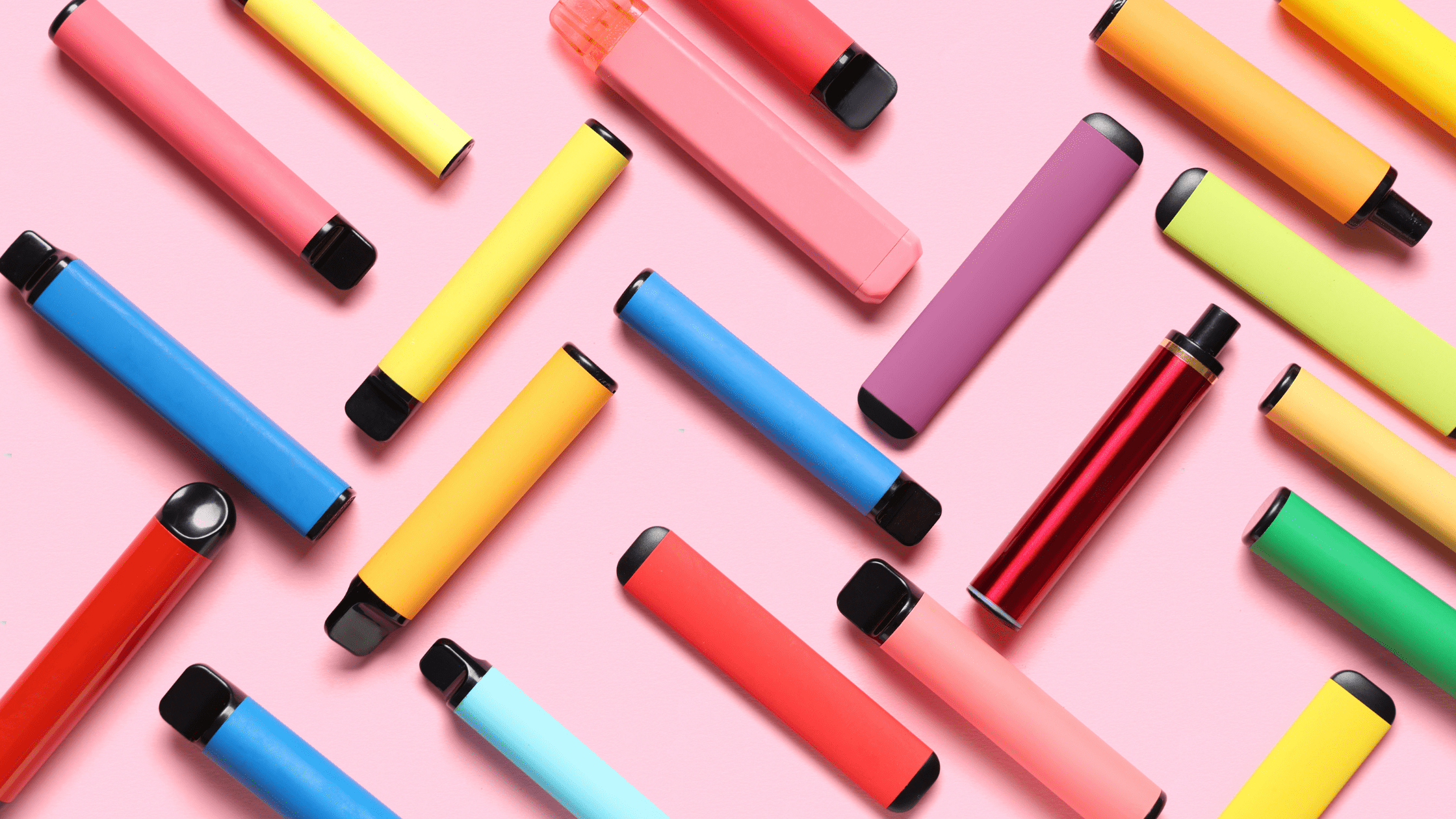
With such high demand for vapes, naturally, device variety has grown too. While refillable systems remain popular, disposable vapes saw a rapid uptake between 2022 and 2023, accounting for 57% of vapers between the ages 18–24, before the regulatory changes came into place.
There are many different types of vape devices but all of them contain electrical components and lithium-ion batteries, meaning that proper recycling is essential. Manufacturers made disposable vapes, now banned in the UK, for single use, using sealed batteries and plastic components. These should never be put in household bins due to fire risk and environmental harm. Instead, you should take them to designated electrical or battery recycling points or specialist collection points.
Refillable pod systems include separate pods and a rechargeable battery. You can recycle of these parts: most retailers accept pods through take-back schemes, and you should place removable batteries in battery recycling bins at shopping centres.
These larger vape systems fall under WEEE (Waste Electrical and Electronic Equipment) regulations, and users must take them to household waste recycling centres that accept small electronics.
When people throw vapes into general waste or litter them, the consequences go beyond cluttered streets. This behaviour creates serious environmental and safety risks. In the UK, people discard an estimated almost 5 million disposable vapes on streets or in general waste every week, allowing plastics, nicotine salts and heavy metals to leach into soil and waterways if they end up in landfill.
For businesses this presents a particular kind of challenge – whether it’s vapes disposed of by employees or by customers, companies have a responsibility to handle disposal carefully and in line with both regulations and best practice.
The lithium-ion batteries inside these vapes also cause fires within bin lorries. Battery-related waste fires caused over 1,200 incidents in 2023, a 71% increase compared with 2021.
These incidents threaten the safety of workers, increase fuel and maintenance costs for waste operators. They also add to the clean-up and fire-damage costs faced by local councils responding to improperly discarded vape devices. It’s worth mentioning that businesses that fail to comply risk enforcement action and fines, including penalties of up to £5,000 per store for not meeting recycling and take-back requirements under WEEE and single-use vape regulations.
There are many ways businesses can support and promote responsible disposal of vapes. Businesses can provide on-site e-waste recycling bins and partner with recycling companies to dispose of vapes safely.
Clear communication about how to dispose of vapes, through signage, packaging guidance and staff awareness, helps prevent devices from ending up in general waste or littered in public spaces.
Want to find out more about vape recycling and disposal for businesses, then why not get in touch with our waste management team here at Everflow today.

At Everflow, our goal is to make your utilities simpler – we ensure you get great-value contracts that are tailored to your needs and easy to manage. Get a bespoke quote using the link below.