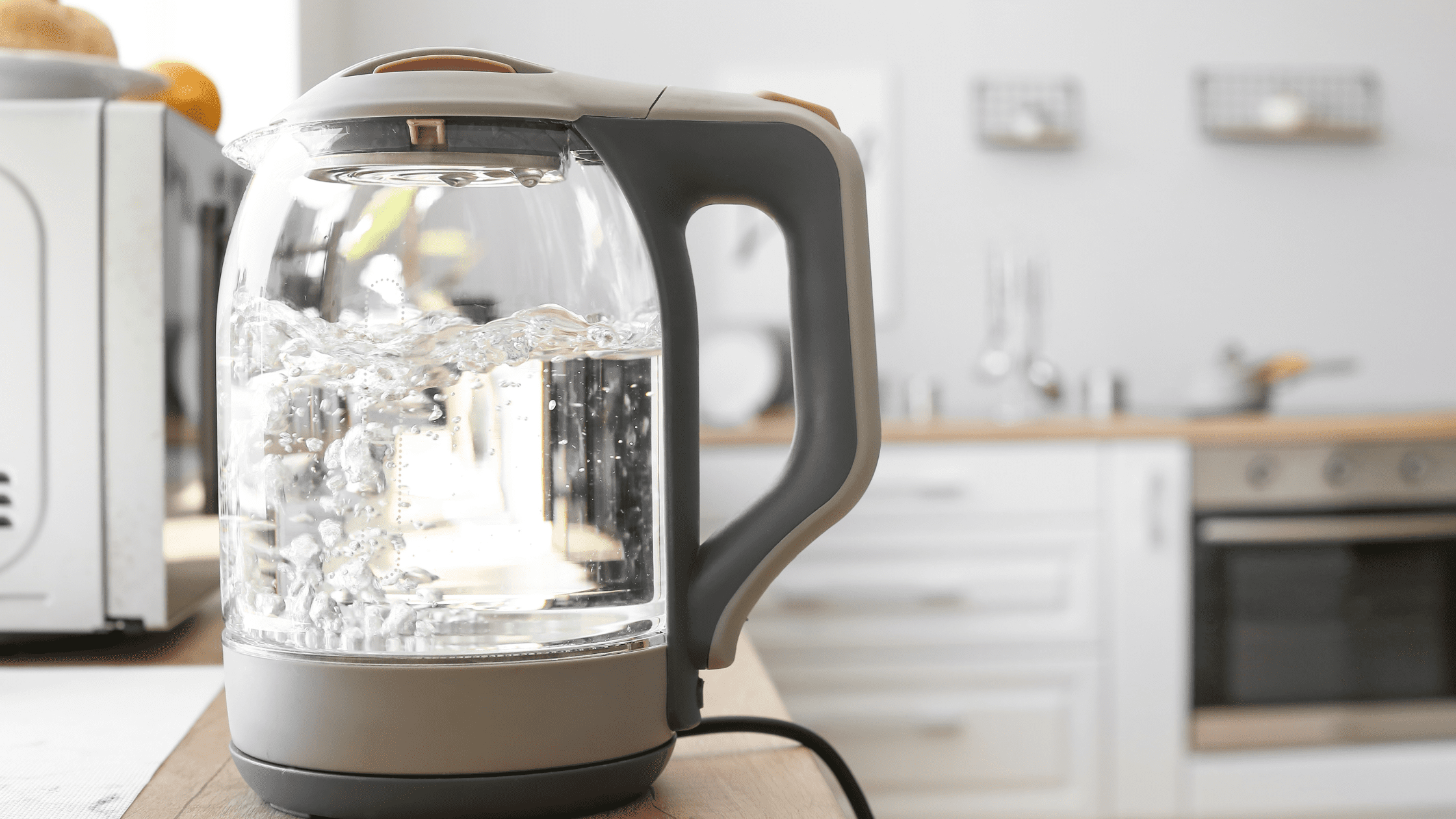
What’s a boil water notice and when is it required in the UK?
8th December 2025

Boil water notices are issued in the UK when there is an imminent threat to the potable water supply.
Boil water notices are a precautionary health warning not to consume tap water without boiling it first. This can occur for a wide variety of reasons, but are most commonly a result of bacterial contamination, parasites or water treatment failures.
One of the biggest boil water notices was in Tunbridge Wells in December 2025. South East Water issued a boil water notice that affected around 24,000 homes and businesses in the area. This followed a temporary loss of supply and water quality issues. This was later lifted on 12th December.
Another example of a recent boil water notice was in High and Low Bentham and Burton in Lonsdale in North Yorkshire. Testing found higher than normal bacterial levels in the water supply. This prompted a temporary boil water notice that was later revoked when bacteria levels returned to normal in the water.
However, some incidents are more prolonged events. A cryptosporidium outbreak in Devon prompted a boil water notice for several weeks, demonstrating that some boil water notices are more like public health emergencies.
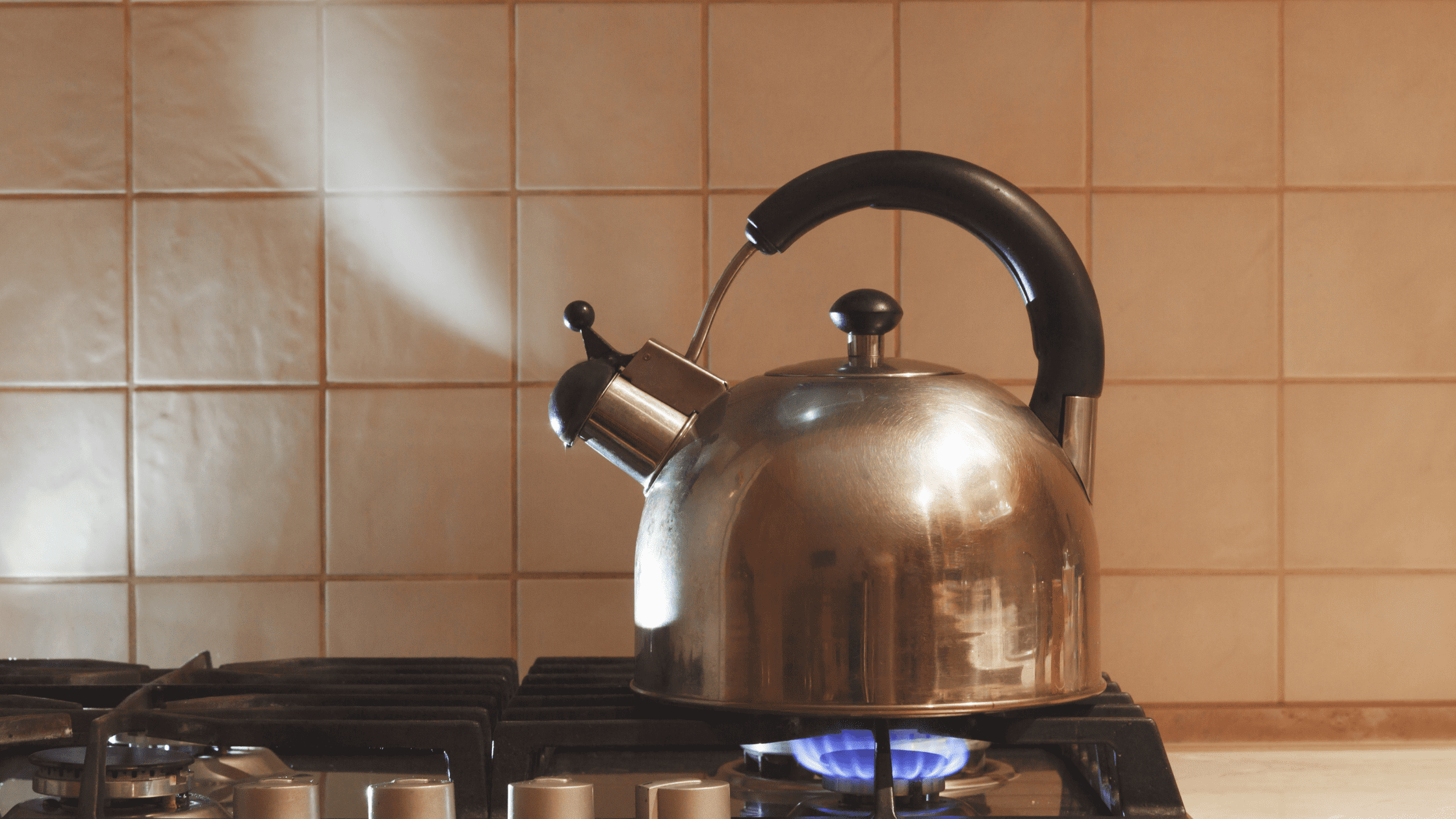
In the event of a boil water notice, businesses should respond immediately and cease consuming the affected tap water, or using it for making ice, washing food, or making drinks. Isolating machinery such as ice machines, coffee machines, taps and food preparation sinks will prevent accidental contamination or use.
To keep staff and the public safe, companies will need to switch to bottled water with immediate effect and isolate the water supply. Communicating clearly with staff and customers will also help to prevent consumption of water and maintain safety. This can be done through customer service or through clear signage throughout the premises to articulate the guidance on how the water supply should be used whilst in a time period covered by a boil water notice.
Adapting your business is the key to your success and is essential in keeping your company running despite apparent limitations to services. By getting creative and using infection control guidance effectively, you can still run your business and provide your customers with a service around the limitations of the boil notice. For example, you can use a different water supply by purchasing bottled water or butts to guarantee clean and uncontaminated water, or else adjust your offerings temporarily for customers.
Planning in advance and having an existing contingency plan for boil water notices will put you in the best place to combat a water supply issue, as well as researching the best insurance policies that will cover a boil water notice in the event of possible contamination. This will help to safeguard your business against financial harm and promote a strong recovery.
Although boil water notices do not directly increase business water prices, they can increase costs for businesses in a time of potential financial loss. Businesses will often continue to pay the same price for their water bills despite not using it for food preparation, ice, or drinking.
Businesses may also incur additional costs as a result of a boil water notice such as bulk purchasing bottled water, equipment hire and flushing out the water systems within the business after the boil water notice has been lifted.
If you’re hoping to find a water supplier that will cater for your company’s individual needs, simplify the breakdown of bills and create a sustainable solution, our team here at Everflow are always her to help.
At Everflow, our goal is to make your utilities simpler – we ensure you get great-value contracts that are tailored to your needs and easy to manage. Get a bespoke quote using the link below.


