Here’s how extreme weather is impacting your business waste costs
16th December 2025

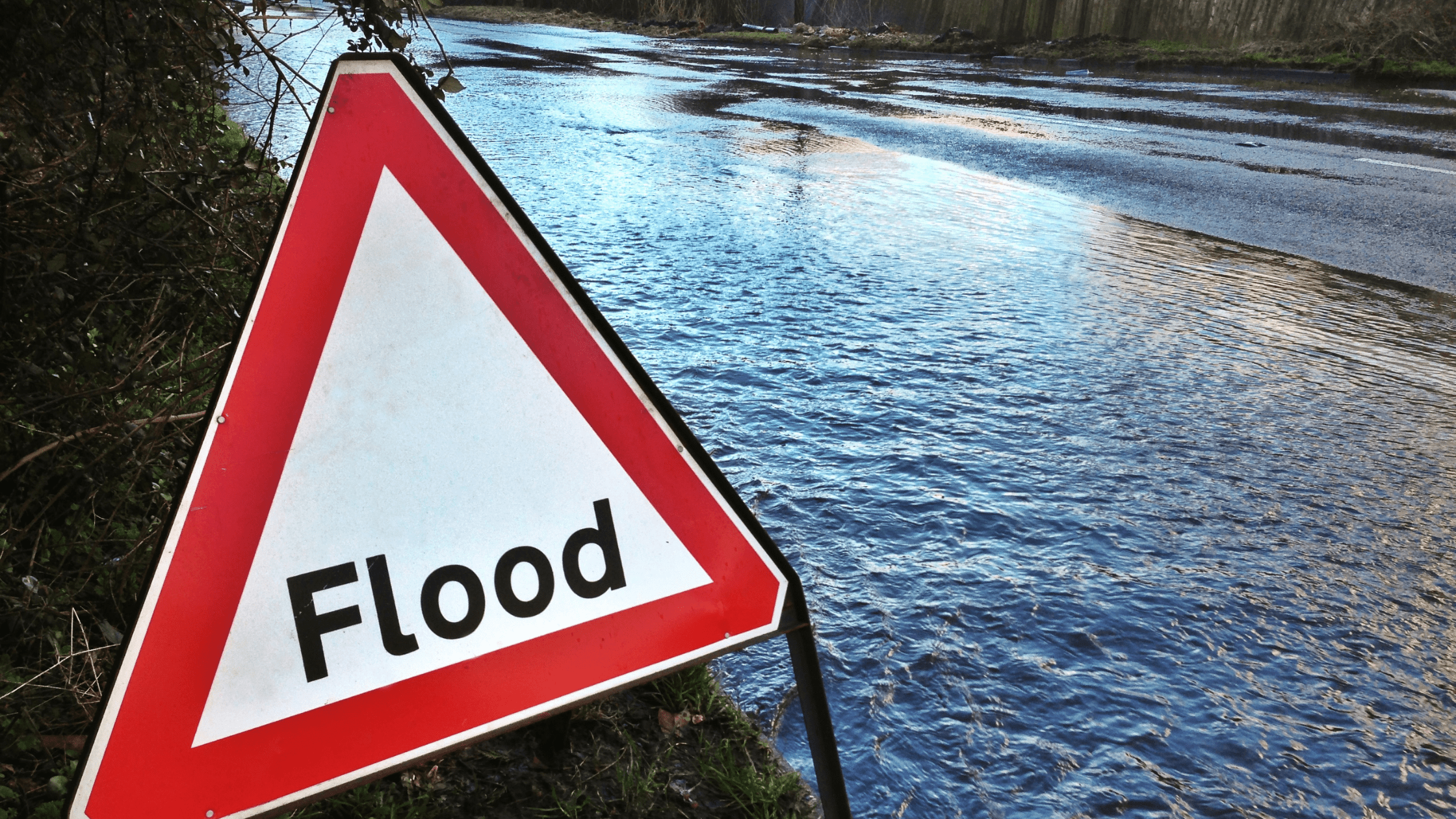
Extreme weather used to be something businesses talked about after the fact. A flood one year. A bad storm another. Disruptive, but temporary. However, this is no longer the case.
Flooding, prolonged rain and storms are turning up more often, sometimes with little warning, sometimes in clusters. For many organisations, they now sit alongside staffing, supply chains and energy costs as part of everyday operational risk.
One of the quieter consequences sits in waste, where costs tend to rise before anyone has had time to fully work out why. When sites flood or buildings take on water, waste volumes increase almost immediately. Stock is written off. Storage areas are compromised. Collections are missed or delayed. What could once be recycled suddenly can’t. Disposal becomes more expensive, more urgent and harder to manage at short notice.
The first thing to go is usually quality. Cardboard, paper and packaging do not need much exposure to water before they are classed as contaminated. Even when damage looks minor, recycling routes often close off completely and commercial waste collection becomes a headache.
Retailers and warehouses tend to feel this earliest. Stock stored at ground level is vulnerable, and it does not take much water to turn sellable goods into waste. Labels wash off. Packaging collapses. Food and drink products deteriorate quickly, creating volumes of waste that were never planned for.
Agriculture faces a different version of the same problem. Flooded fields and damaged crops can create large amounts of organic waste with little notice. Disposal still needs to happen, even when access is restricted and conditions are poor.
Insurance claims linked to extreme weather are rising. UK insurers now pay out hundreds of millions of pounds each year for weather-related damage, much of it tied to business interruption. Those figures are familiar, but they rarely tell the full story.
Waste disposal often sits in the gaps. Spoiled stock and contaminated materials still need to be removed, sorted and treated compliantly. That can mean higher charges, limited availability and short-notice collections, especially when multiple sites in the same area are affected at once.
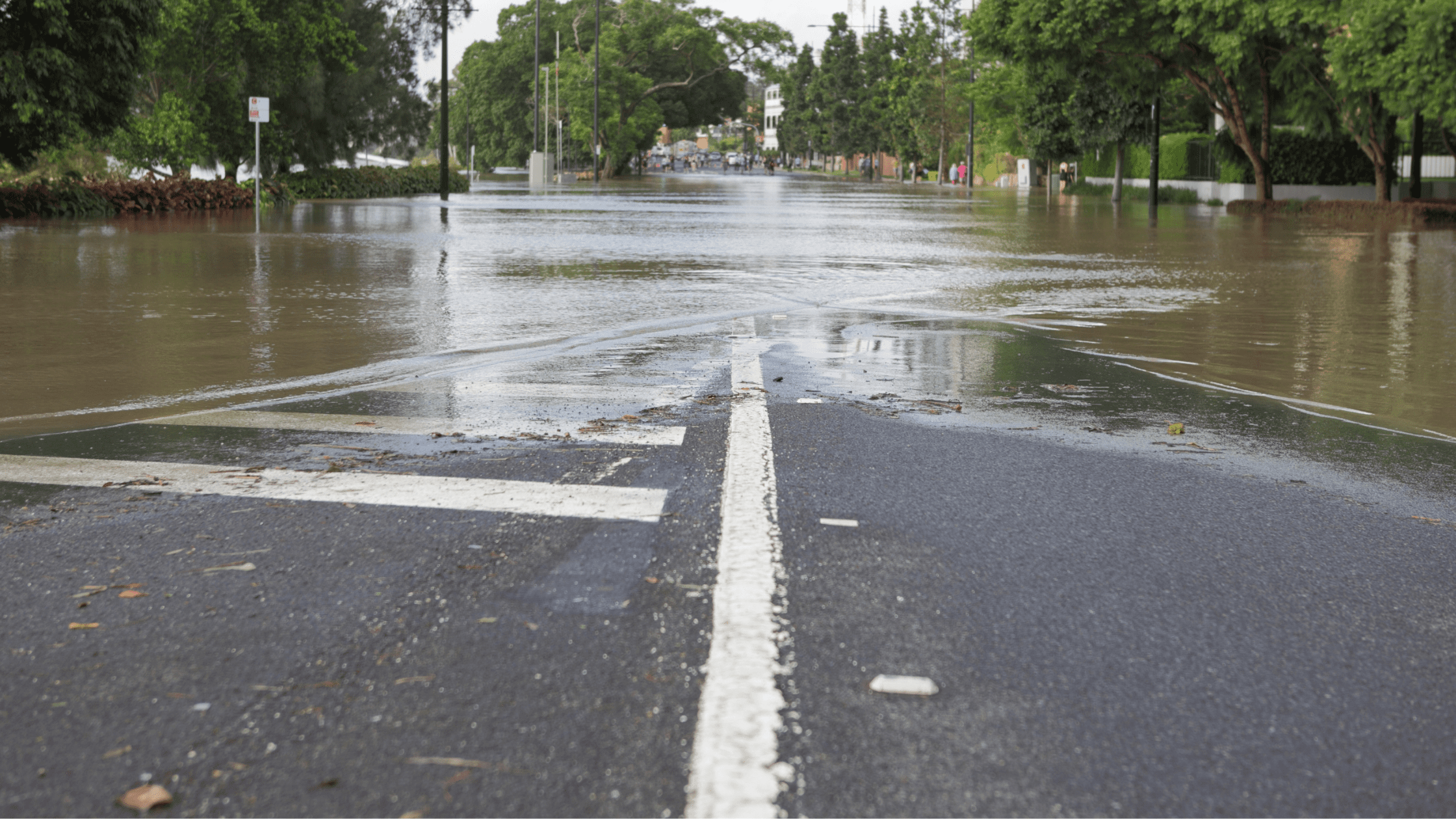
Extreme weather does not just affect individual sites. It puts pressure on the wider waste and transport network at the same time. Flooded roads, damaged facilities and sudden spikes in volume can slow collections or restrict access to treatment sites.
For warehousing and logistics operations, this becomes a practical issue very quickly. Waste builds up on site. Space tightens. Materials sit longer than they should. Costs rise simply because waste cannot move when it needs to. The knock-on effects are often underestimated until they are already happening.
Extreme weather cannot be planned away. Its impact on waste, however, can be softened. Storage is usually the first place to look. Raising stock and waste off the ground, protecting areas from flood paths and using sealed or waterproof containers can make a meaningful difference.
Emergency waste plans do not need to be complicated to be useful. Knowing who to call, how waste should be separated under pressure and what needs to move first can save time and money when disruption hits.
None of this removes the weather from the equation. It simply reduces how much damage spills into waste costs.
Extreme weather is now part of the operating landscape. Waste is one of the clearest places where that reality shows up, often quickly and without much warning.
Planning ahead does not stop storms or floods. It does, however, make the difference between disruption that is absorbed and disruption that turns into avoidable cost.

At Everflow, our goal is to make your utilities simpler – we ensure you get great-value contracts that are tailored to your needs and easy to manage. Get a bespoke quote using the link below.