5 ways hotels can cut costs this year
1st February 2026

Even in today’s climate, there are a few ways hotels can cut costs, including saving on water, waste and utilities.
It’s no secret that a lot of businesses are struggling with rising costs, tighter margins and increasing sustainability expectations, and hotels are no exception to that. Unstable energy prices, along with rising water and waste expenses, are forcing hoteliers to find smarter ways to cut costs without compromising the guest experience.
According to the UK Hotel Trading Performance Review of 2025, utilities still play a major role in hotel spending, with high energy and water use across guest services, kitchens and facilities that operate 24/7.
Luckily, there are ways hotels can cut costs this year while moving towards more efficient and sustainable operations.
Water can often be overlooked as a cost-saving measure but for hotels it plays a much bigger role than many realise. After all, according to Water UK, almost 94% of Brits underestimate the amount of water they use per day, which suggests that it is not only hoteliers that contribute to water waste, but also the constant turnover of resource hungry guests. According to the World Sustainable Hospitality Alliance, a single hotel room can go through an average of 1,500 litres of water per day.
One of the best ways to reduce water wastage is by installing low-flow taps, aerators and pressure-reducing valves, which can cut water consumption without compromising guest comfort. Hotels should also prioritise leak detection and water audits, as small, undetected leaks can waste thousands of litres over time and drive up utility costs. Detecting and fixing issues early can lead to quick, measurable savings.
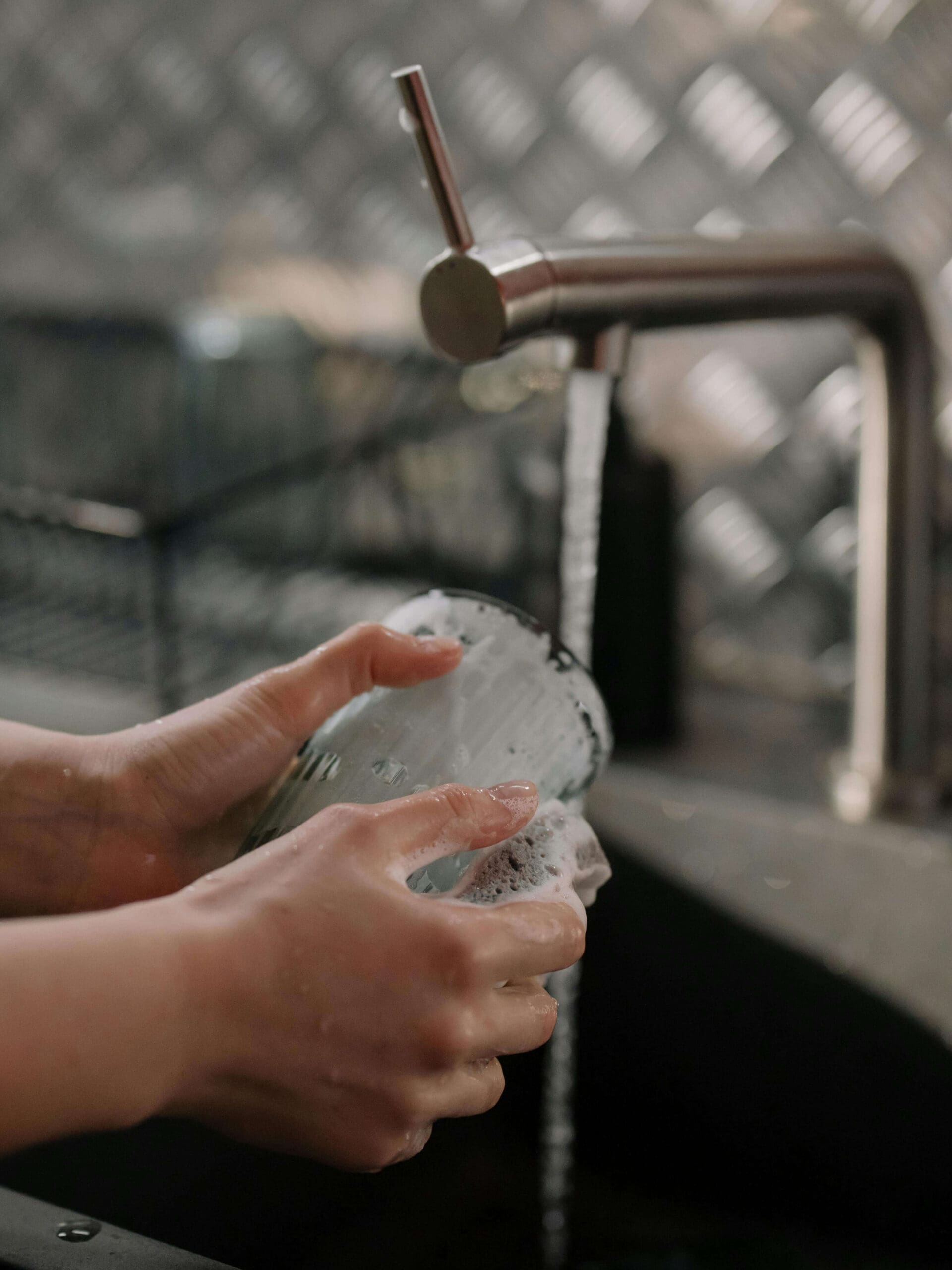
Beyond simply reducing water use, hotels can capture and reuse water on site, turning rainfall and lightly used water into a valuable resource instead of paying for more mains water.
Faced with high water demand across premises, some hotels are now installing roof run-off systems to divert rainwater into on-site storage tanks. The harvested water can then be used for non-drinking purposes such as toilet flushing, washing machines, cooling systems and general cleaning.
As a result, hotels can save thousands of litres of potable water per year, reducing fresh water consumption at the property by an estimated 5 – 10%.
Another approach is greywater recycling. This involves treating water from showers, baths, laundry and wash basins so it can be used again for activities like flushing toilets or watering landscaping. These practices not only conserve water but also align with broader cost-cutting and sustainability goals.
Waste management is another aspect in the hotel business that often gets overlooked. Every unnecessary waste collection, overflowing bin, or poorly sorted waste stream represents money leaving the business and an opportunity missed to be more environmentally responsible.
A good starting point here is to review existing waste contracts. Many hotels remain on outdated agreements that do not represent their operational needs but taking the time to review it can reduce collection frequencies and food waste. It’s also important to note that some waste providers increase prices annually, in some cases by as much as 15%, meaning costs can quietly rise year after year. By shopping around, hotel businesses can reduce the impact of these bill increases and ensure they are on a contract that better suits their waste output and budget.
Food waste is another way hotels can cut costs this year. Regularly auditing food waste helps hotels identify overproduction, inaccurate forecasting or inefficient storage. By better predicting demand and reusing surplus where safe and appropriate, hotels can reduce waste disposal costs while also lowering food purchasing expenses. It’s a win-win.
While you’re reviewing your waste contracts, you might as well review utility contracts too!
Even if consumption is high, which, in most hotels, this will be the case, hoteliers can still pay less per unit by re-evaluating utility contracts regularly. The easiest, and most efficient way to pay less for your consumption is to combine utilities with a single provider for better pricing and simplified management. Doing so can yield to average savings of 30% for UK’s small businesses, so it’s a no-brainer.
While staying on top of monitoring consumption can seem overwhelming, there are many smart systems in place that help with this. Using technology-based energy-management systems to control and monitor energy usage across the property can lead to significant savings. These systems not only help hoteliers spot inefficiencies and track progress, but also identify areas for improvement.
Cutting costs doesn’t have to mean cutting quality. By focusing on smart utility management and sustainable practices, hotels can save on energy, water and waste while keeping their guests happy. Again, it’s a win-win.

At Everflow, our goal is to make your utilities simpler – we ensure you get great-value contracts that are tailored to your needs and easy to manage. Get a bespoke quote using the link below.