Why data centres could change the UK’s water future
3rd August 2026

As investment in AI drives rapid growth in UK data centres, we explore what this could mean for water demand, business water efficiency and the UK’s water future.
Artificial Intelligence is changing the way we work, communicate and access information at a pace that no one has ever witnessed before. But while we spend our time on a screen inputting prompts, it’s important to remember that behind every AI search, cloud application activity or digital interaction sits a physical infrastructure that requires significant resource to run.
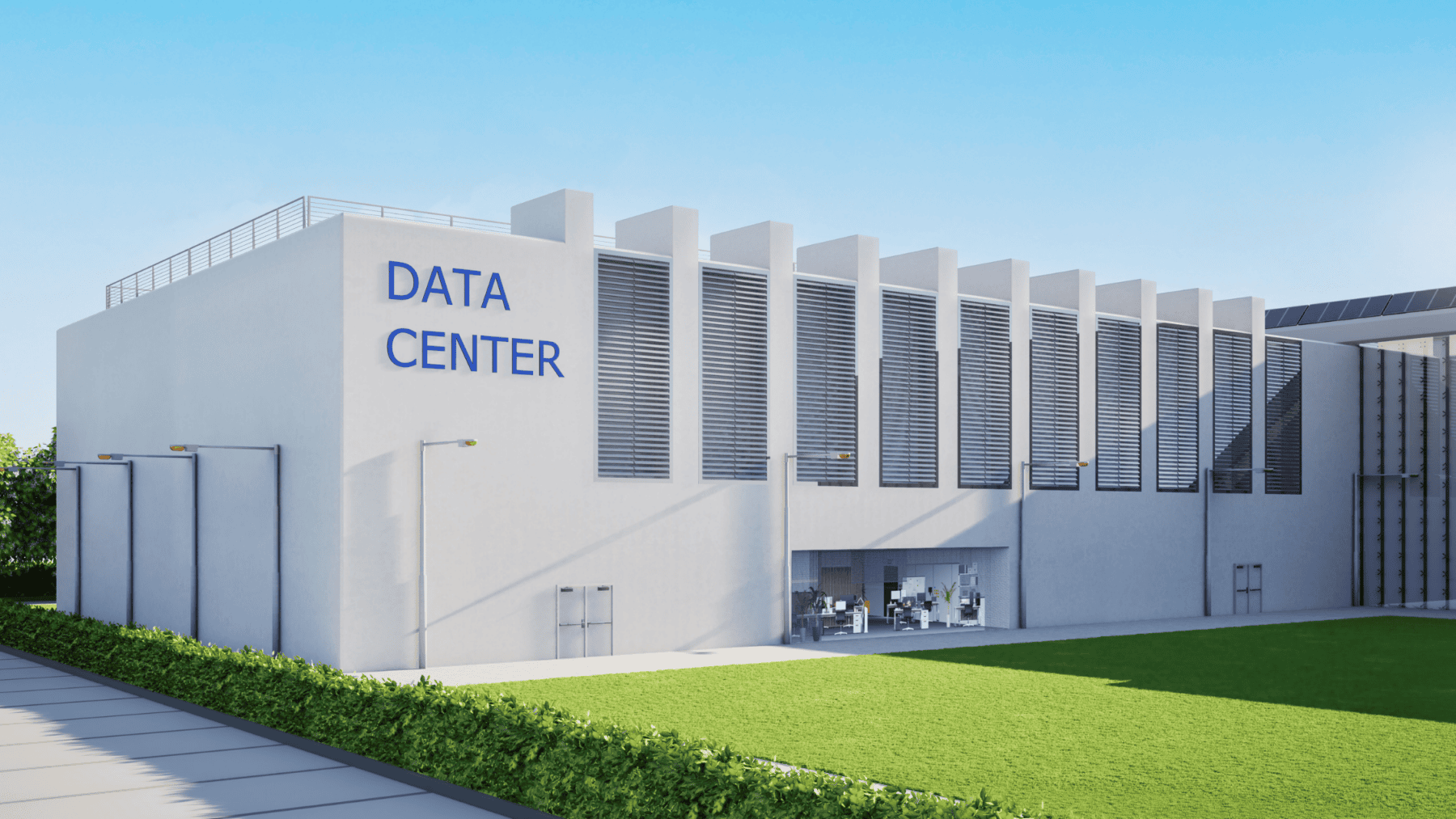
At the centre of that infrastructure are data centres. Every website, application or large language model depends on the presence of data centres that process information and facilitate the trillions of complex calculations that take place each day to make our online activities possible.
In the UK, data centre investment is on the increase and demand for new centres is only growing as AI and cloud computing accelerates at breakneck speed. These centres provide the computing power and storage required to support everything from online banking and streaming services to food delivery orders and business software.
The benefits of our growing digital ecosystems are clear but the environmental impact of our race to increase computing power should not be underestimated. Data centres now consume an estimated 2.5% of all UK electricity and, as more facilities are developed, it is expected that this energy requirement will reach as much as 9% of the UK’s total usage by 2030.
Alongside energy consumption, one of the other major considerations is water consumption. In the UK, where experts are already warning of water shortages over the coming years due to a growing population and climate change.
Within each data centre you will find a vast number of computer servers operating continuously – each of which generates a considerable amount of heat. In order to keep that equipment within acceptable operating temperatures, these machines must be cooled. And while different facilities approach cooling in different ways, virtually all are water intensive.
While it’s important to note that UK data centres are less water intensive than those in many parts of the world, the strain placed on the country’s water supply is still sizeable. In fact, UK data centres are estimated to consume 6.6 million litres of water per day – a figure that is equivalent to the water usage of 20,000 UK homes.

As investment in AI increases and more data centres are built, there is no doubt that the strain placed on water supplies will increase. While the UK economy certainly needs an investment in digital infrastructure, at the same time, water shortages may result in a direct threat to human life in the form of drinking water and water needed in food production.
Recent droughts and dry conditions have highlighted just how valuable water is becoming and how pressure on water availability can become problematic in a short period of time.
This underlines the need for greater water efficiency across the domestic and business community and a need for investment in innovation within the technology sector to ensure that water conservation is a key consideration.
While most UK organisations are not directly involved in the construction or day-to-day running of data centres, all businesses have a role to play in water conservation. If we compare business water usage across industries, all have room to improve efficiency through a combination of leak reduction, rainwater collection and greywater initiatives.
At Everflow, we help businesses understand their water usage, identify opportunities to reduce waste and, of course, get the best business water prices possible.

At Everflow, our goal is to make your utilities simpler – we ensure you get great-value contracts that are tailored to your needs and easy to manage. Get a bespoke quote using the link below.