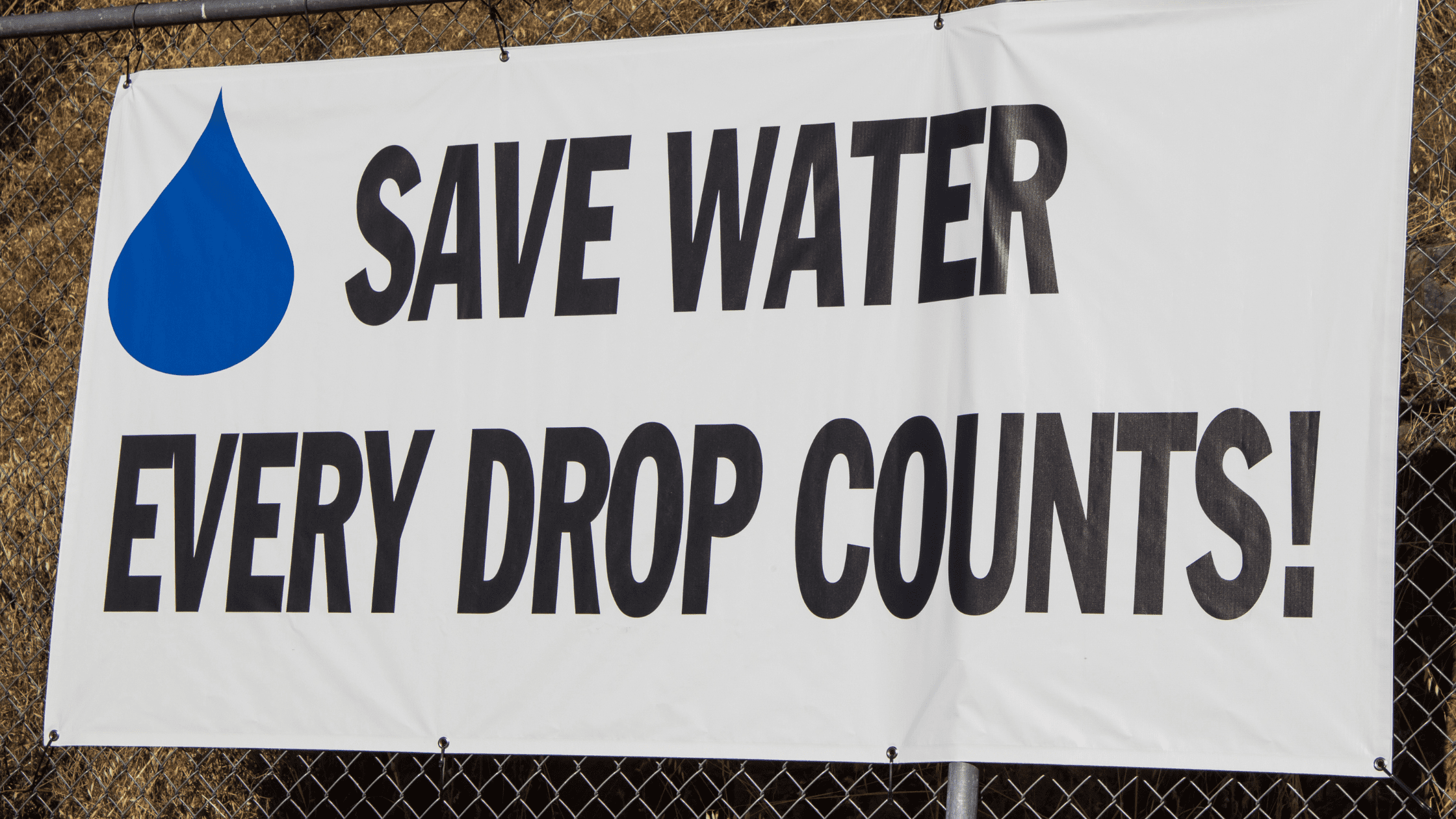
How communities around the world are approaching water conservation
24th April 2026

During times when the UK’s water supply is at risk, it’s important to take a look at water conservation practices around the world.
Everflow CEO, Craig Dallison, recently spoke about water scarcity, and while reservoir levels remain below normal in the UK, the situation around the globe is similar in many areas – with roughly half of the world’s population experiencing severe water scarcity for at least part of the year.
Driven by climate change, the solution to tackling this issue isn’t a one-size-fits-all approach. It varies by communities, cultures and environments.
Learning from global approaches, present or past, is a must, as we’re building new reservoirs, being more mindful with our water consumption and implementing measures to both mitigate risks and prevent dramatic increases in business water prices.
South Africa is known globally to be a water scarce country, with demand expected to exceed supply by 2030, especially in rural areas where access to clean water is limited.
Naturally, their water conservation efforts are shaped by urgency, with a study from 2026 showing that most locals of Kwa-Zulu-Natal are showing strong awareness of water scarcity, with generally positive attitude towards water conservation. Many are reusing household water for cleaning or gardening and actively protecting water sources from contamination.
The study shows that community-led water conservation efforts work most effectively. Awareness campaigns and local engagement help turn knowledge into action. There is also a shared consensus of the fact that water conservation efforts start at a household level, not just through large-scale infrastructure.
The state of Rajasthan in India has many arid and semi-arid regions, with an average rainfall ranging between 100mm to 500mm annually. In comparison to this, the UK’s average rainfall ranges between 500mm (in some of the driest parts of East Anglia) to over 4,000mm in the mountainous regions.
With 98% of its 250 village blocks marked as dark zones, which are areas with dangerously low levels of water, farmers of Rajasthan have built a 4.5 metre high mud water-saving wall. Extending for nearly a mile, paired with a trench, it captures rainwater runoff, recharges groundwater and refreshes farmland.
Between 1997 and 2009, Melbourne experienced a so-called Millennium Drought, with water scarcity reaching its peak between 2001 and 2009. During this period, water storages dropped to 25% of total volume, equating to one year of supply. Local communities and infrastructure improvements, such as reducing leaks in the water supply, successfully tackled this problem.
Australia amped up their education and action campaigns with a clear goal to achieve a water use target of 155L per person, per day. Regular updates and encouraging individual contributions supported this campaign. It succeeded as people came together to work towards a common goal. Even today, authorities continue implementing measures such as desalination and stormwater harvesting to ensure that history does not repeat itself.
While a semi-dry area with moderate average rainfall of 314mm in a year, Zaragoza was facing water scarcity in the 1990s. The government quickly set up the Zaragoza Water Saving City programme with an aim to change wasteful water behaviour and lower domestic water consumption by saving one million cubic metres of water. A target that they successfully achieved within a year through a mix of financial incentives, educational campaigns, media coverage and partnerships with businesses selling water-saving technologies and products.
Although communities differ across the globe, they all share key themes: intensive community engagement, behavioural changes and upgrades to the infrastructure to achieve water conservation efforts. It highlights that it’s the people that drive change, not just policies.
For UK households and businesses this means one thing: keeping track of water consumption and promoting responsibility in the workplace. Small, collaborative actions, when multiplied, can create significant change, however a single solution does not exist as world-wide examples show that change unfolds at different levels.


At Everflow, our goal is to make your utilities simpler – we ensure you get great-value contracts that are tailored to your needs and easy to manage. Get a bespoke quote using the link below.


