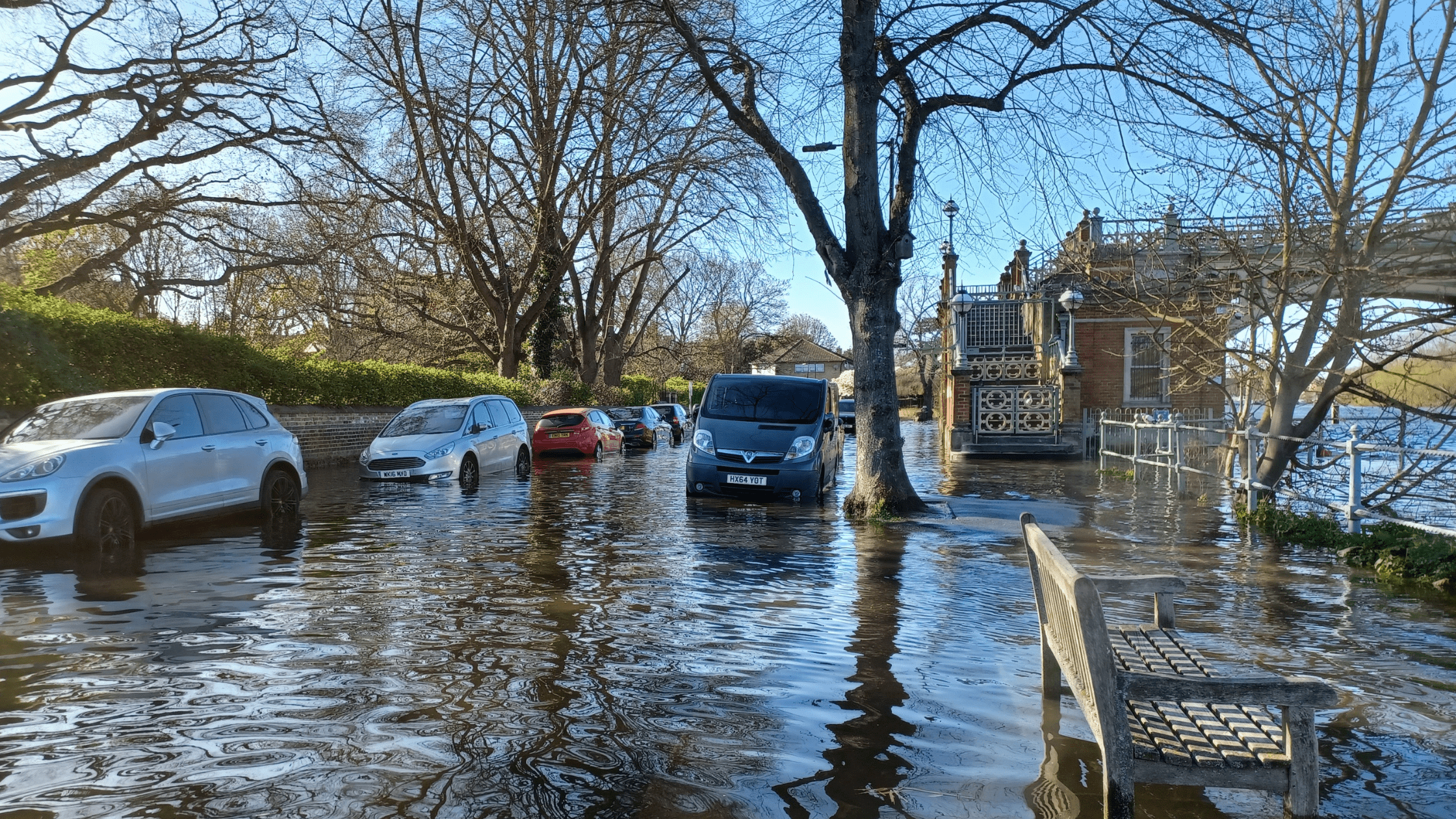
Is storm flooding really getting worse? Let’s look at the data
9th February 2026

Storms in the UK and abroad feel like they are getting more severe each year. But does the data back this assumption up?
Storm flooding often feels like it’s becoming worse. Each year that passes seems to bring dramatic headlines, road closures and communities under water, which makes us think that storm flooding is genuinely getting worse.
But to answer the question, whether storm flooding is actually getting worse, or whether we are just noticing more, we need to look at the statistics.
In recent years, we have experienced quite a few high-profile, impactful storms. There was Storm Desmond in 2015, Storm Ciara in 2020 and Storm Babet in 2023. Naturally, these events caused widespread disruption, extensive property damage and significant media coverage.
When extreme weather events like these happen, especially within a few years of each other, they can create an impression of a pattern. Traditional media, as well as social media, amplify this situation even further, which leads to a perception that storm flooding is really getting worse.
However, perception doesn’t always reflect a statistical common pattern.
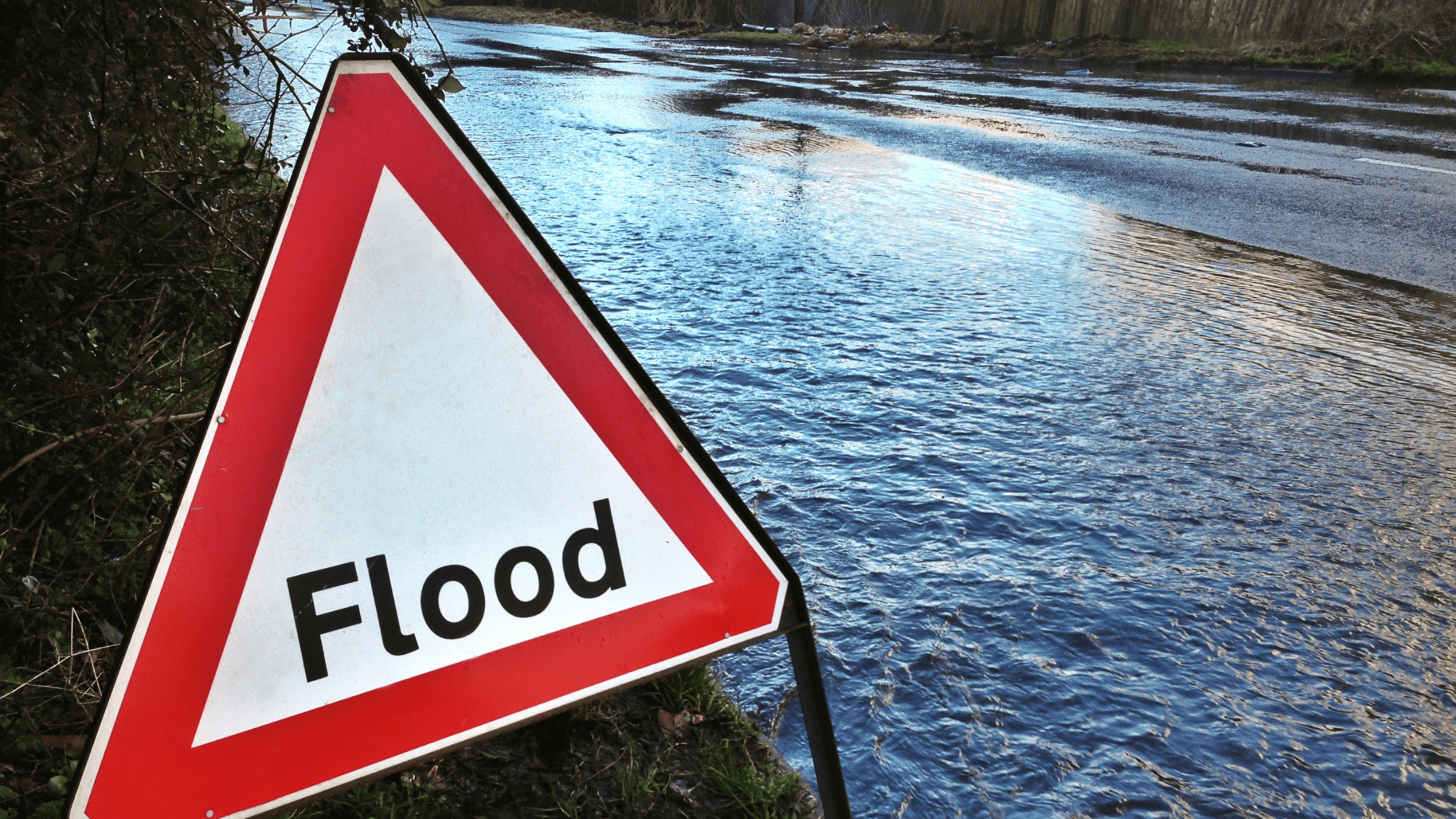
According to the Met Office, the UK has experienced an increase in heavy rainfall events over recent decades, particularly intense downpours during winter months.
However, the picture is nuanced because total annual rainfall varies year to year and the frequency of the storms fluctuates. More importantly, the data shows that the intensity of short-duration rainfall has increased more consistently than the actual storm floodings.
This information suggests that while the UK may not necessarily be experiencing more storms overall, rainfall is increasingly falling in shorter and heavier bursts. This puts greater strain on drainage systems and increases the likelihood of flash flooding.
So, the concern is not about how much rain falls each year but how quickly it does.
Much of the UK’s drainage and sewer infrastructure was designed centuries ago, as early as the 1850s. Systems were not built to handle the kind of sudden and impactful rain we are seeing more often today.
This issue is compounded by the fact that there are more paved surfaces than in generations gone by – characterised by roads, roofs and driveways, which mean less natural ground absorption and more surface runoff. In cities, rain runs off quickly into drains that often struggle to handle heavy rainfall, which can lead to flooding.
So, even if storm frequency hasn’t increased, infrastructure changes mean that similar storms today may cause more disruption than they did decades ago and this causes a big problem to 6.3 million properties (both homes and businesses) in the UK who are at risk of flooding.
Many people might wonder: how can a country that floods regularly also face water shortages? The answer lies in water distribution and storage.
In the UK, western regions receive much more rain than eastern regions, heavy rainfall often runs off quickly into rivers and long dry spells between intense storms reduce groundwater recharge.
Climate change is contributing to more seasonal extremes, such as wetter winters and drier summers. Without sufficient reservoir capacity and long-term water management planning, excess winter rainfall cannot always be stored for summer demand.
Flooding causes a lot of damage for over 300,000 businesses that are at risk, disrupting supply chains, damaging premises and increasing operational as well as financial costs.
There is also a longer-term financial implication. Investment in flood defences, sewer upgrades and water infrastructure must be funded, and these costs can influence business water prices over time.
As infrastructure upgrades become more urgent to cope with intense rainfall events, businesses may see the impact reflected in regional pricing structures and service charges.
Unfortunately, the answer is not as simple as yes or no. The UK’s storm history shows variability rather than a straight upward line. However, the facts state that heavy rainfalls are becoming more intense, lack of greenery in cities is making it hard to absorb the rainfall, outdated infrastructure is not capable of dealing with modern weather conditions and, lastly, climate patterns are becoming more concerning, meaning action must be taken soon.
So, while the number of storms each year may not be increasing dramatically, their impact is often greater. The latest storm flooding data suggests that the real challenge doesn’t come from the weather conditions themselves but from our strained infrastructure, which amplifies the effects of storm flooding.

At Everflow, our goal is to make your utilities simpler – we ensure you get great-value contracts that are tailored to your needs and easy to manage. Get a bespoke quote using the link below.


