How upstream water quality and wastewater management can impact the health of the seas
24th June 2026

This World Ocean Day, let’s take a look at how water quality and wastewater management can help support a cleaner future.
Wastewater systems, rivers and seas are all part of the same connected water cycle. When wastewater isn’t treated properly before entering rivers, it stands to reason that pollutants eventually make their way downstream into our seas and oceans, harming coastal ecosystems and marine life.
According to a recent study by the Wildlife Conservation Society, 73% of the world’s oceans are polluted and if we aim to protect at least 30% of them by 2030 (otherwise known as 30 by 30), we must take steps now to do so.
Upstream water quality refers to the quality of water in rivers before it reaches coastal areas and the sea (downstream). Monitoring river water before it reaches coastal areas is an important step in helping to reduce pollution before it spreads downstream.
However, many ocean pollution problems begin far from the coast, as contaminants, such as sewage, agricultural run-off, oil spills, plastics and chemicals, travel through connected waterways, eventually spilling into rivers and spreading to marine environments.
These pollutants take many forms but one of the biggest pollutants is undoubtedly plastics – with around 8 million tons entering our seas annually. These microplastics infiltrate marine life and our food chain. Besides plastic, other contaminants also create dead zones in the ocean, making it hard for marine life to survive. Considering this, protecting our rivers is essential for safeguarding marine ecosystems and ocean health.
While most of us understand the importance of protecting the health of our seas, it’s not always obvious to businesses how they can play a role in ensuring that they are part of the solution – rather than part of the problem.
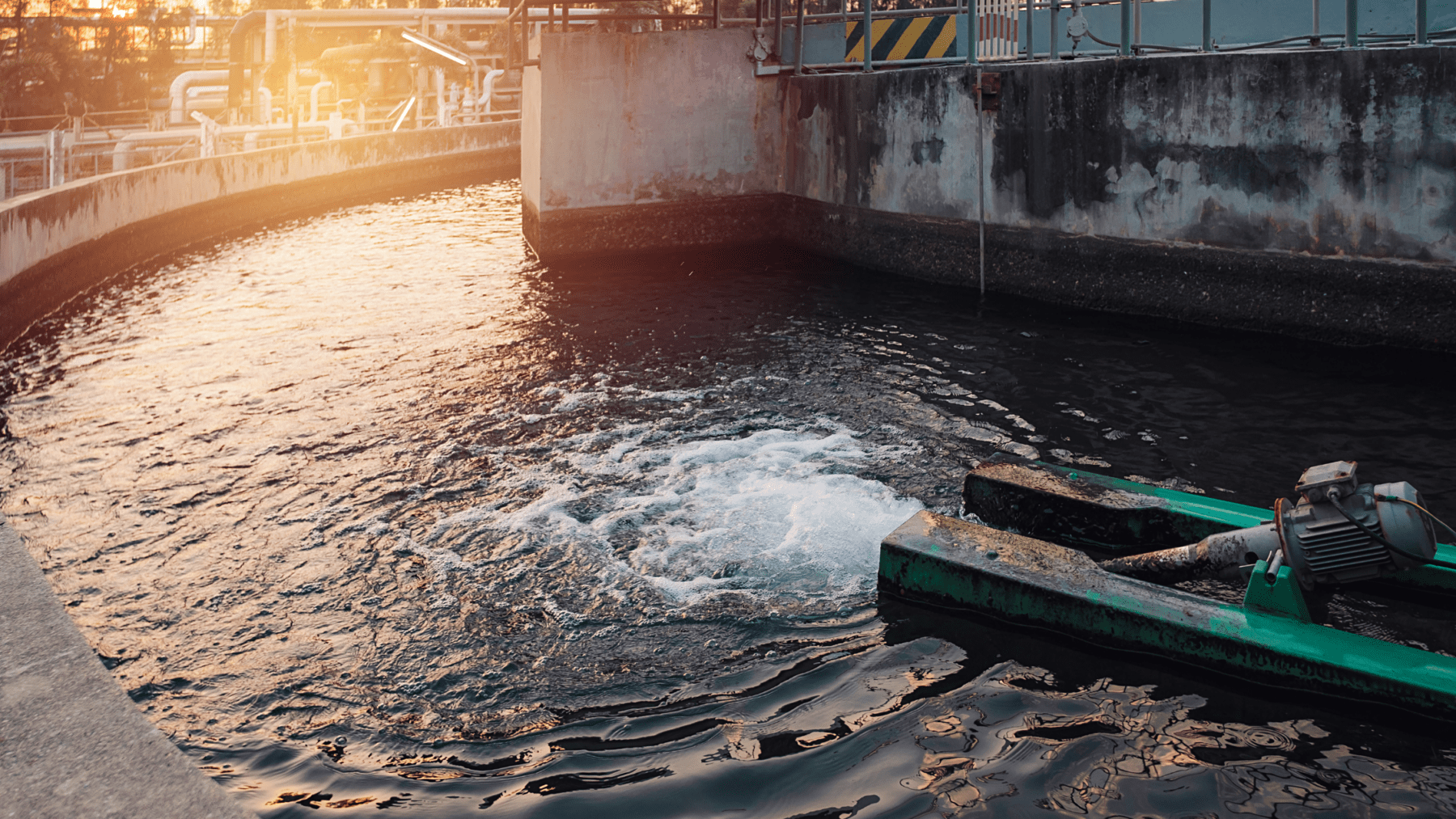
In reality, protecting the marine environment starts with responsible wastewater management. Businesses that produce commercial wastewater should implement effective trade effluent management. They also have a responsibility to inform their water supplier before discharging any non-domestic liquid waste, such as oils, chemicals or fats, that could damage the environment if handled incorrectly.
Healthy seas are essential for both wildlife and also for humans. Cleaner rivers and other waterways create healthier environments for communities and marine ecosystems alike. Just as importantly, healthy seas have the ability to absorb up to 30% of carbon emissions and regulate global temperatures, helping us tackle climate change.
However, it is only through collective action that these benefits can be protected and sustained long-term. Businesses and individuals all have a role to play in protecting water quality though responsible wastewater management.
Needless to say, protecting the health of our oceans begins with organisations on an individual level. It calls for consideration in how we manage waste in our rivers and continuous tracking, treating and reducing the water discharged into sewers or the environment.
Only by being proactive and compliant with trade effluent regulations businesses can reduce pollution and protect ecosystems for future generations.
Businesses should take the opportunity to make informed decisions, such as considering a business water price comparison or making a business water switch, which can help improve efficiency and support more sustainable water use.

At Everflow, our goal is to make your utilities simpler – we ensure you get great-value contracts that are tailored to your needs and easy to manage. Get a bespoke quote using the link below.