Could hybrid and remote working be changing your business water footprint?
19th October 2026

In short: Hybrid and remote working can reduce water usage in the workplace, but they don’t automatically mean lower water bills. While fewer employees may mean less water used in kitchens and washrooms, fixed charges, building systems and undetected leaks can keep costs high.
Over the last five years, working from home has become a normal part of working life for many people. In fact, according to Office for National Statistics figures cited by the House of Lords, 13% of working adults in Great Britain worked fully remotely, while a further 26% had hybrid working arrangements in 2025.
This means fewer people in the office on any given day and, potentially, less water being used in the workplace. But does a quieter workplace automatically mean a lower water bill?
Research from the University of Manchester has found that working from home moved the water consumption from business premises to people’s homes – this was especially evident during the COVID-19 lockdowns. The research also identified that peak water usage changed as people no longer followed the same commuting routine.
During the pandemic, the average household water bill rose by approximately 20%, with the average business water bill falling by more than 30%. While these figures reflect lockdown conditions from more than 5 years ago and do not match today’s patterns, they’re a great example of how quickly water demand can move when working habits change.
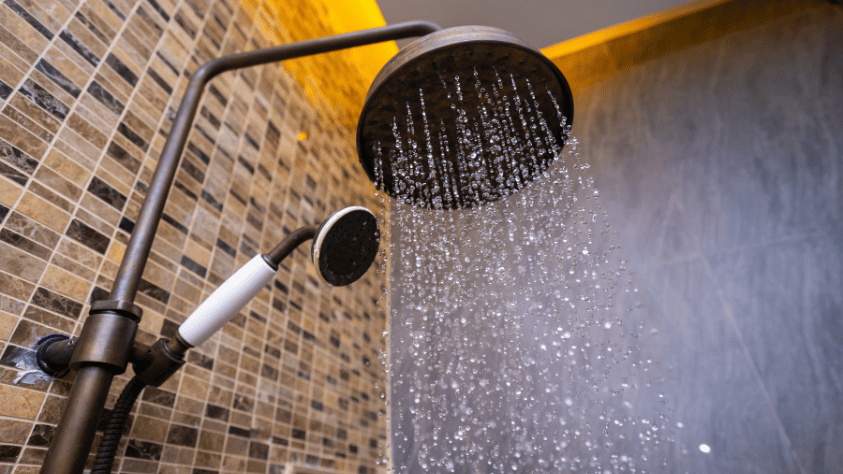
Fewer people in the office might mean fewer toilet flushes, less water used in the kitchens and reduced demand for washing facilities. However, that doesn’t automatically translate into proportionate savings.
Many offices were designed for full occupancy, with water systems and facilities built to accommodate a busy workforce. Fixed water and wastewater charges may also remain, regardless of how many desks are occupied.
Other systems, such as cooling equipment and building maintenance facilities, may continue using water even when employee numbers are lower. There’s also the risk of problems going unnoticed. A leaking pipe or running toilet in a quieter part of the building could waste considerable amounts of water before somebody spots it.
Recently, on the Everflow blog, we’ve talked about Legionella and Legionnaire’s disease. When an office is empty or sees reduced use, water can stagnate in the pipes and raise the risk of bacterial growth. Naturally, with hybrid and remote working, some taps, showers and washrooms may sit untouched for days at the time and it only takes a little over a week for stagnated water to increase the risk of Legionnaire’s disease.
Here lies the importance of having a person responsible for checking and controlling those risks, so they become a part of the routine, especially with a hybrid workforce.
Hybrid working can reduce the amount of water used at business premises, but the relationship isn’t always straightforward. Employees working from home still use water throughout the day, whether that’s making drinks, washing dishes or using the bathroom. Some of the consumption that would previously have taken place at work has simply moved to a different address.
For businesses, this means it’s worth distinguishing between reducing water consumption at their own premises and reducing water more broadly. There may be opportunities to save money and improve water efficiency, but lower office attendance alone doesn’t guarantee either.
If your business has recently changed its working patterns to be more flexible, it’s worth checking whether your water consumption reflects the way your premises are now being used.
A good place to start is by reviewing your water bills and meter readings against the headcount in the office. If the usage has not dropped in line with on-site staff, it’s worth investigating why. Make sure to check for leaks, dripping taps and running toilets, particularly in areas that receive less attention. Smart metering or more frequent readings may also help identify unusual consumption patterns.
Finally, take the time to compare business water prices to ensure your water contract is working for you and your business. And if you’re thinking of making the switch to save on your next water bill, get in touch with our team at Everflow.
Working from home can reduce water consumption at business premises, as fewer employees use toilets, kitchens and washing facilities. However, business water bills may not fall proportionately due to fixed charges, ongoing building water usage and other costs.
Businesses can review meter readings, monitor water consumption against office occupancy, investigate unusual usage and fix leaks. They can also consider smart metering and compare business water contracts to identify potential savings.
Yes. When water systems are used less frequently, water can become stagnant, potentially creating conditions that encourage Legionella bacteria to grow. Businesses should maintain appropriate water hygiene routines, including flushing little-used outlets where required by their risk assessment.

Our goal at Everflow is to make your utilities simpler, and water is no exception. We work with businesses of all sizes, across many industries and locations, so you get a flexible water service tailored to your needs. Get a bespoke water quote using the link below.